There’s a real difference between a home that looks expensive and a home that was expensive, and honestly, the two don’t overlap as much as people assume. A lot of what reads as “high end” comes down to small, deliberate choices — lighting, proportion, restraint — rather than the price tag on any single item. If you’ve ever walked into a beautifully put-together space and later found out most of it came from budget stores, this is why. Here are 15 real, doable ways to make your home look expensive, without needing an expensive budget to get there.
Affiliate Disclosure: This article contains affiliate links which means we may earn a commission at no extra cost to you. You can check our affiliate disclosure page here.
How to Make Your Home Look Expensive, Room by Room
1. Edit Before You Decorate
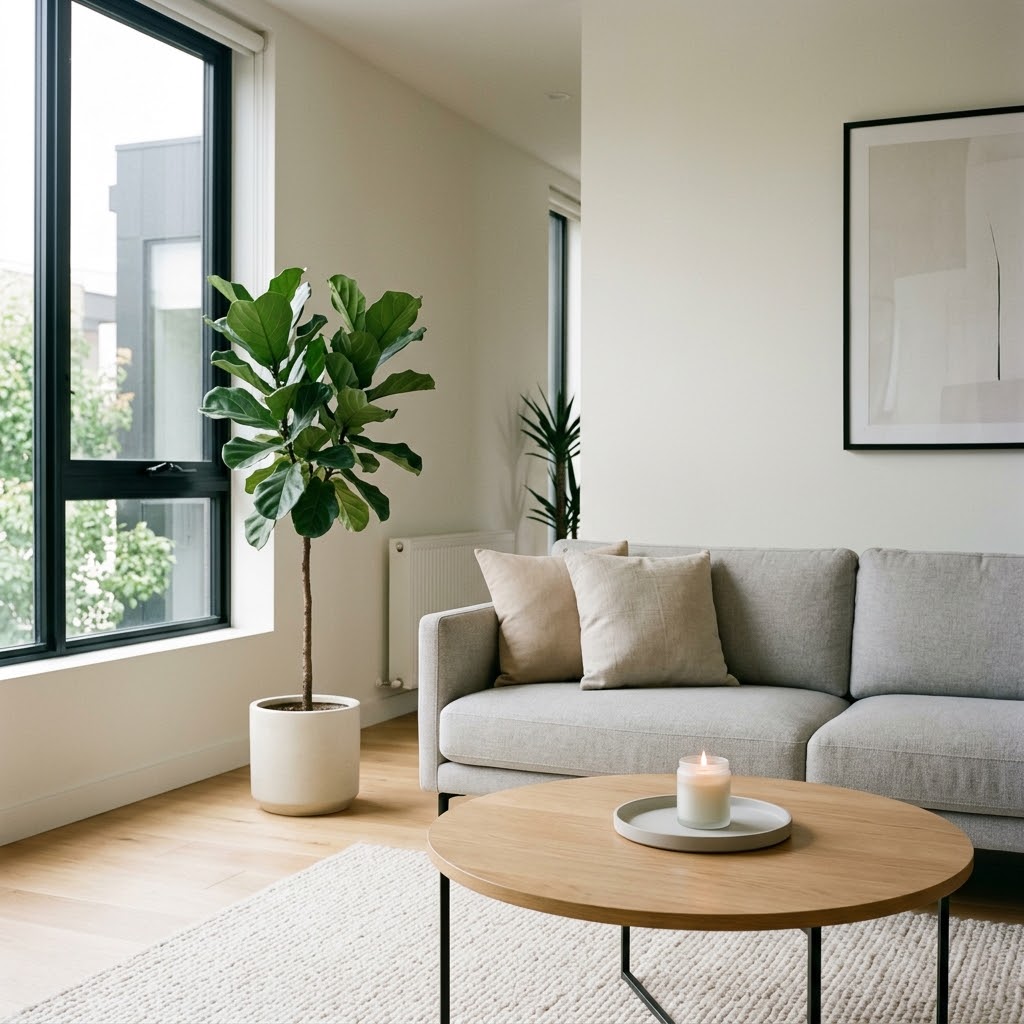
The single biggest thing separating a high end decor on a budget look from a cluttered one isn’t what you add, it’s what you remove. Expensive-looking homes almost always have less in them than you’d expect — surfaces with breathing room, shelves that aren’t packed edge to edge, and rooms where every object earns its place. Walk through your home and pull anything that’s just sitting there out of habit rather than intention, and you’ll likely be surprised how much better the remaining pieces look once they’re not competing for attention. This costs nothing, takes an afternoon, and genuinely changes how a room reads before you buy a single new thing. It’s the step most people skip, and it’s usually the one that matters most.
2. Swap Overhead Lighting for Layered Lamps
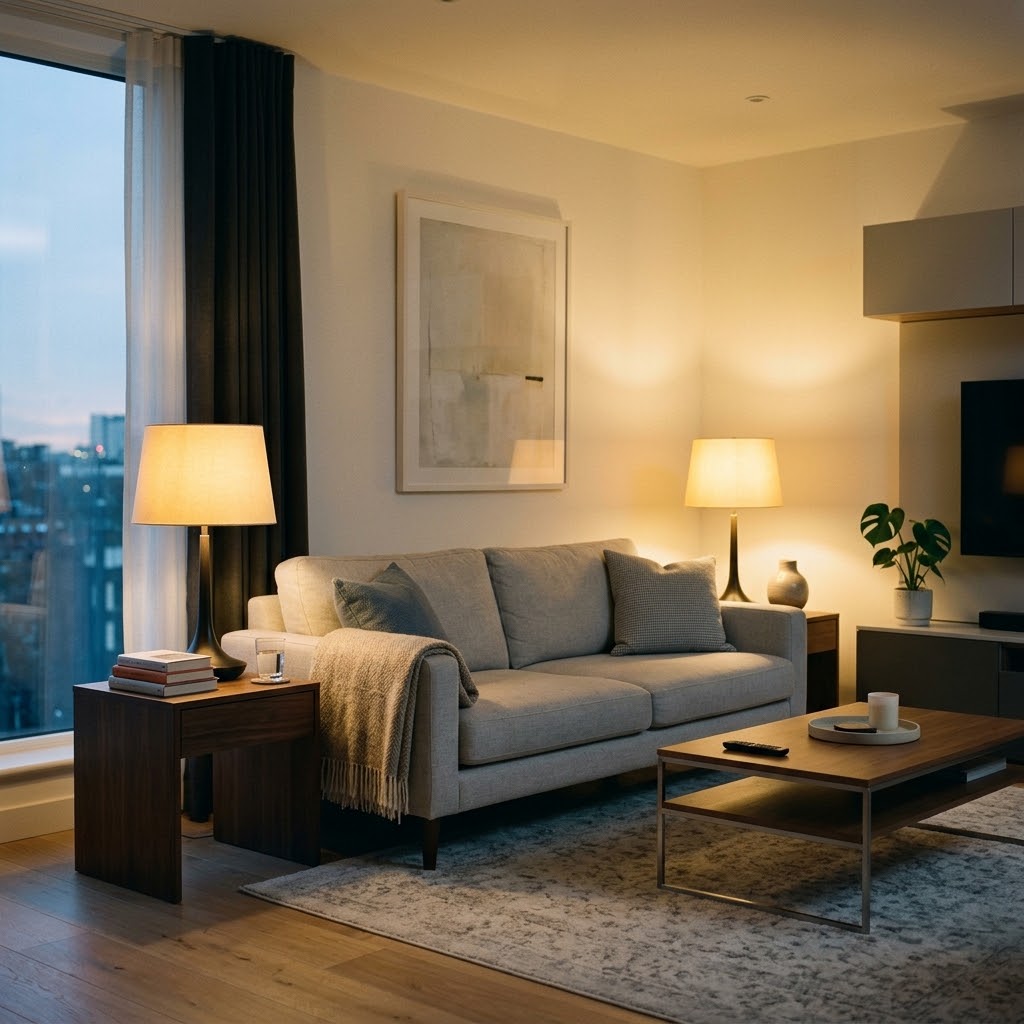
Harsh, single-source overhead lighting is one of the fastest ways to make even a well-furnished room feel flat and a little cheap. Expensive-looking spaces almost always use layered lighting instead — a mix of table lamps, floor lamps, and smaller accent lighting placed around the room rather than one bright bulb doing all the work. A couple of well-placed table lamps with a warm-toned bulb can transform a living room more than almost any single furniture piece, since warm, layered light softens shadows and makes everything in the room look a little richer. Keep your overhead light on a dimmer if possible, and treat it as a backup rather than your main source in the evening. This is one of those expensive looking decor shifts that costs relatively little but changes the entire feel of a room the second the sun goes down.
3. Get Serious About Symmetry
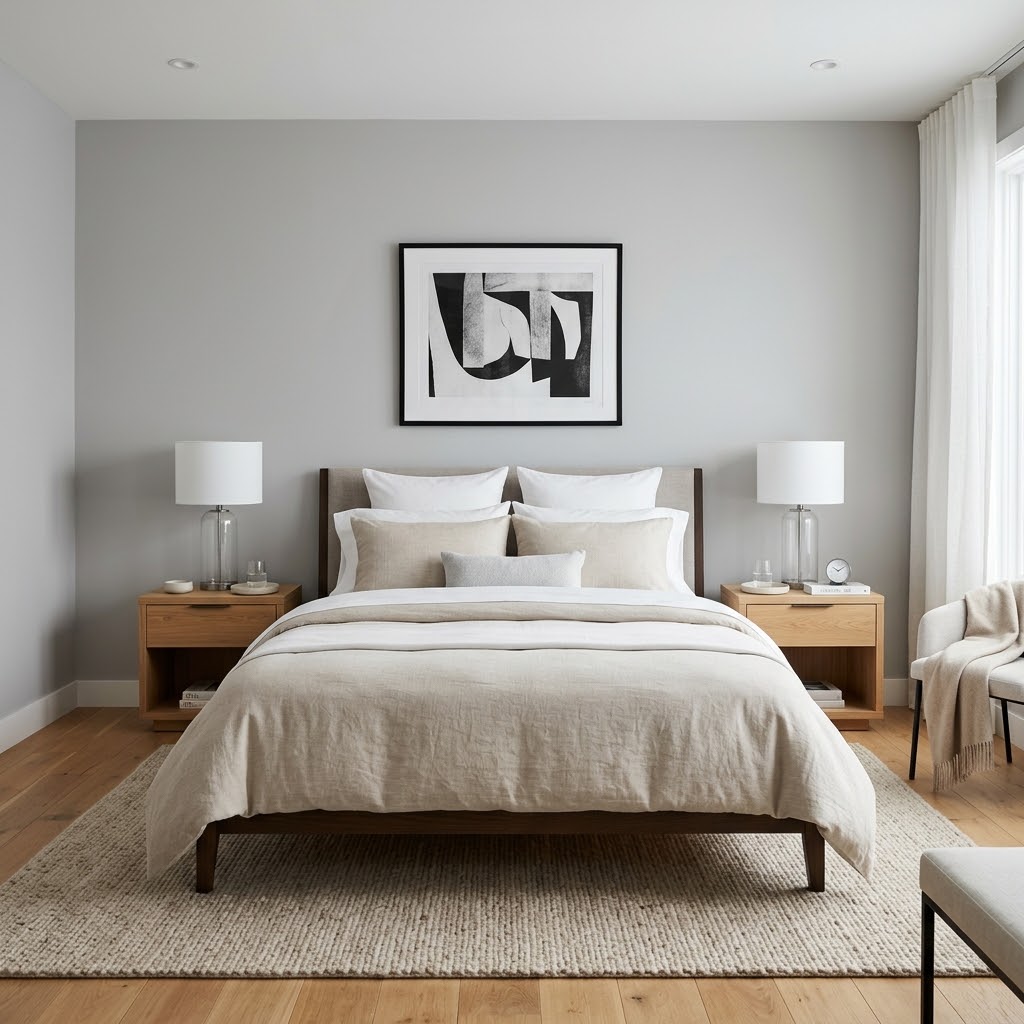
Expensive rooms tend to feel calm, and a lot of that comes down to visual balance rather than anything fancy. Matching a pair of nightstands, lamps, or chairs on either side of a focal point creates a sense of order that reads as intentional even if every individual piece was inexpensive. This doesn’t mean everything in a room needs to be symmetrical, but anchoring a few key areas — a bed flanked by matching lamps, a sofa framed by matching side tables — gives the eye somewhere calm to land. It’s a principle interior designers lean on constantly, and it’s one of the easiest ways to elevate a space without spending more than you already were.
4. Paint Your Trim a Shade Lighter or Darker Than Basic White
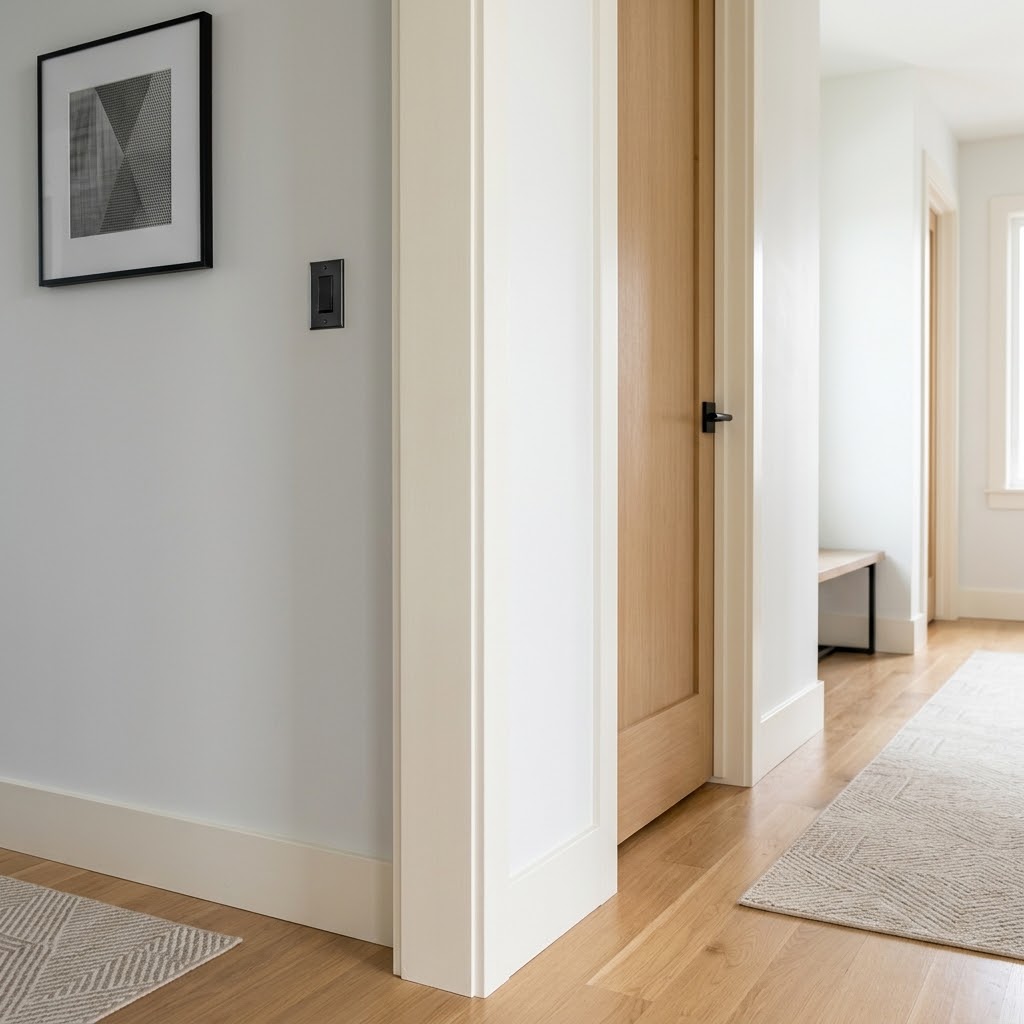
Most homes default to stark white trim, which is fine, but it’s also one of the easiest details to upgrade without much cost. Swapping to a slightly warmer or richer off-white, or going the other direction with a deeper trim color against lighter walls, adds a subtle depth that a lot of expensive-looking homes actually use. This is a project you can do yourself over a weekend with a can of trim paint and a steady hand, and it’s one of those budget decorating ideas that photographs far better than it costs. The trick is picking a tone that complements your walls rather than clashing, so it reads as a deliberate design choice instead of an accident.
5. Invest in a Few Real, Weighty Objects
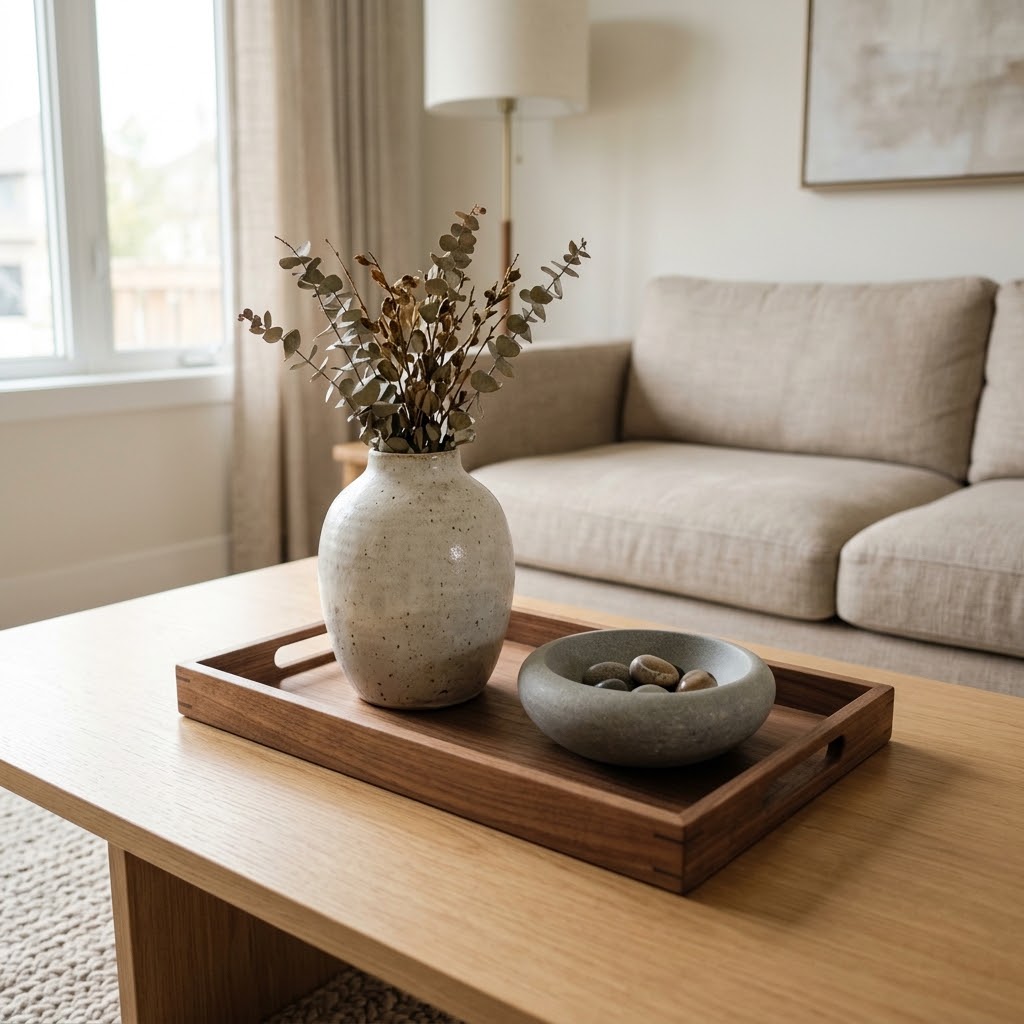
You don’t need everything in your home to be expensive, but having a handful of genuinely substantial pieces makes everything else around them look better by association. A solid ceramic vase, a heavy stone bowl, or a well-made wooden tray has actual heft and texture that cheaper, lightweight versions just don’t. These pieces don’t need to be large or numerous — one or two per room is usually enough — but they act as an anchor that makes the surrounding, more affordable pieces feel intentional rather than thrown together. This is one of the more reliable luxury home decor ideas because it works with almost any style, and the investment tends to pay off since these pieces rarely go out of style.
6. Hang Curtains Higher and Wider Than the Window
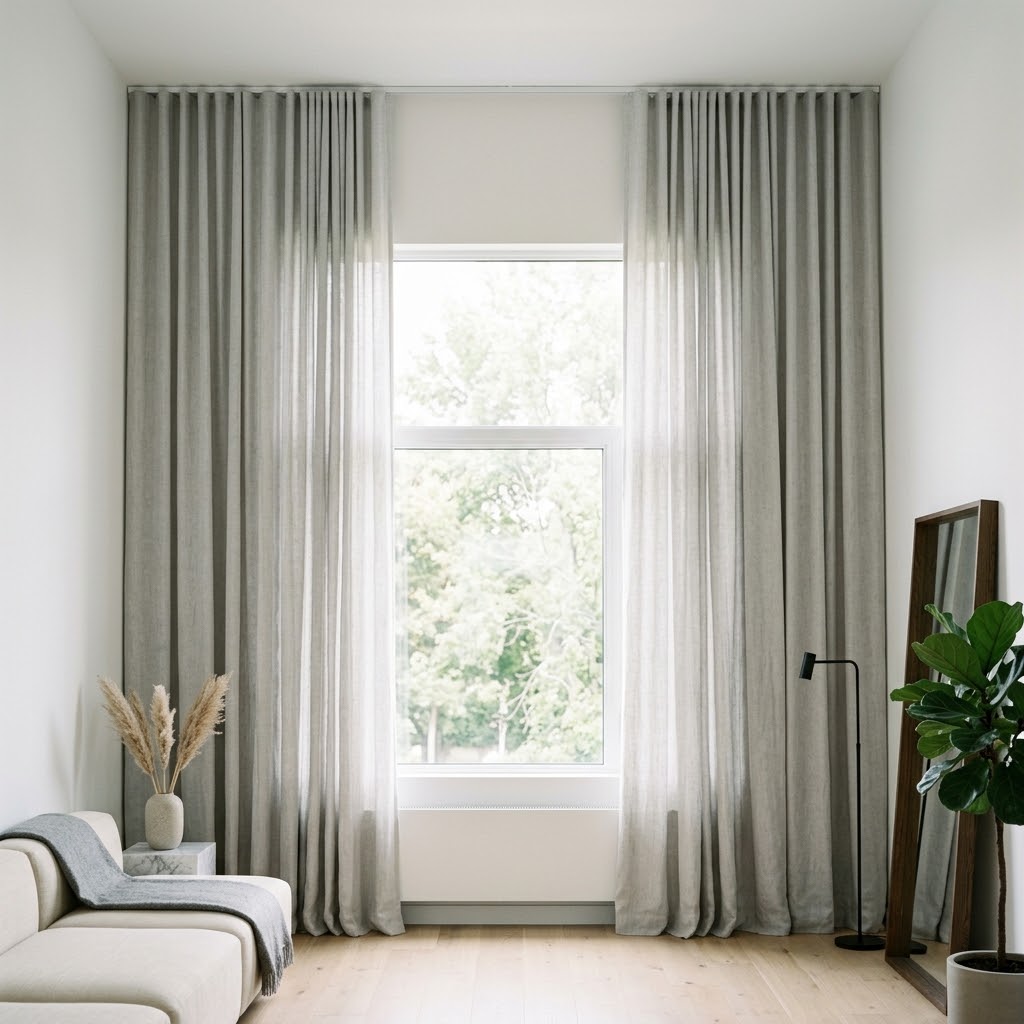
This is one of the most-repeated tricks in interior design for a reason — it genuinely works, and it costs nothing beyond the curtain rod itself. Mounting curtain rods a few inches above the window frame and extending them slightly past the window’s width makes ceilings feel taller and windows feel bigger, both of which read as more expensive without changing a single structural thing about the room. Pair this with floor-length linen curtains that actually pool slightly or just graze the floor, rather than curtains that stop short, since ill-fitting curtains are one of the fastest ways to make a room look unfinished. This is one of the highest-impact, lowest-cost changes on this entire list.
7. Group Your Décor in Odd Numbers
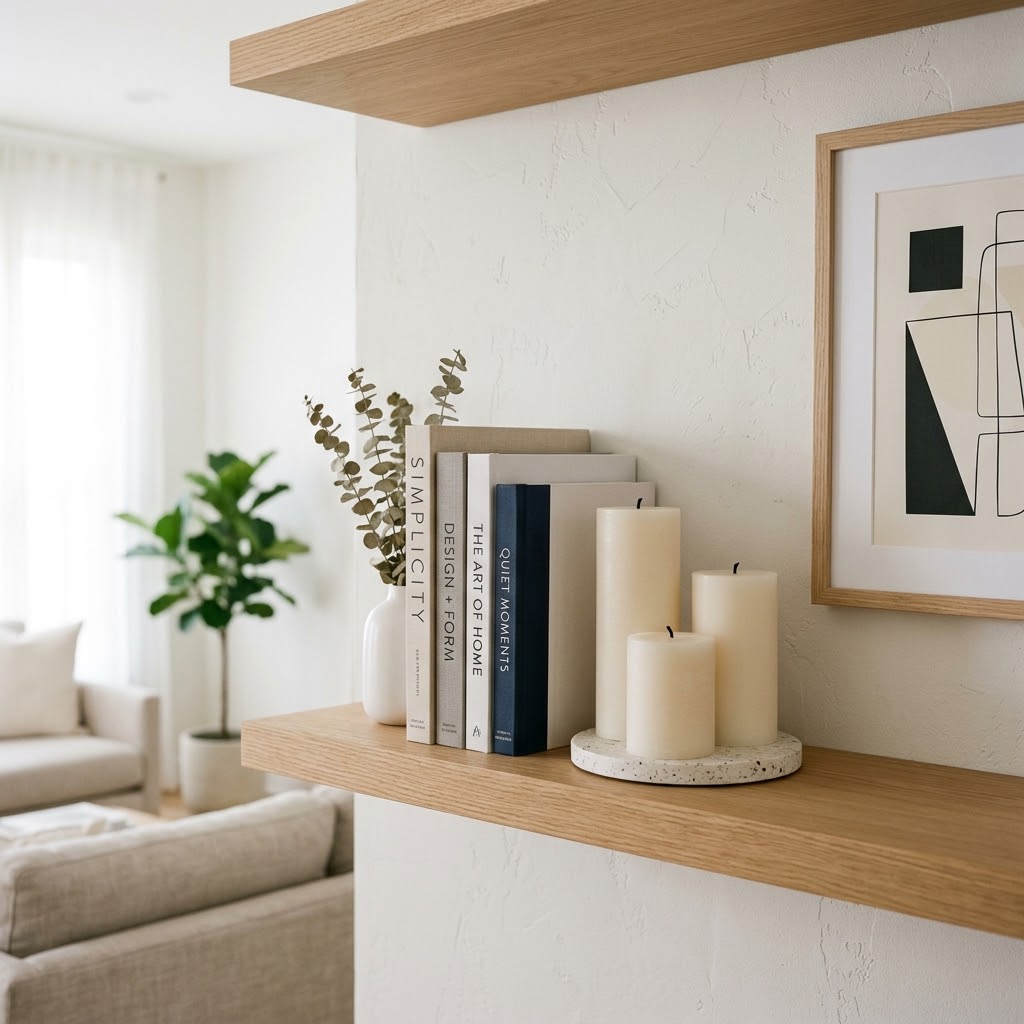
Odd numbers — three, five, seven — read as more natural and intentional than even groupings, which tend to look either too matched or too sparse. Whether it’s books on a shelf, candles on a mantle, or frames on a wall, arranging in threes with varied height creates the kind of visual rhythm expensive-looking homes tend to have. This applies to something as simple as a stack of coffee table books next to a small vase and a candle, rather than just two items sitting side by side. It’s a small styling habit, but once you start noticing it, it’s hard to unsee in the homes that feel the most put-together.
8. Add Texture With Natural Materials
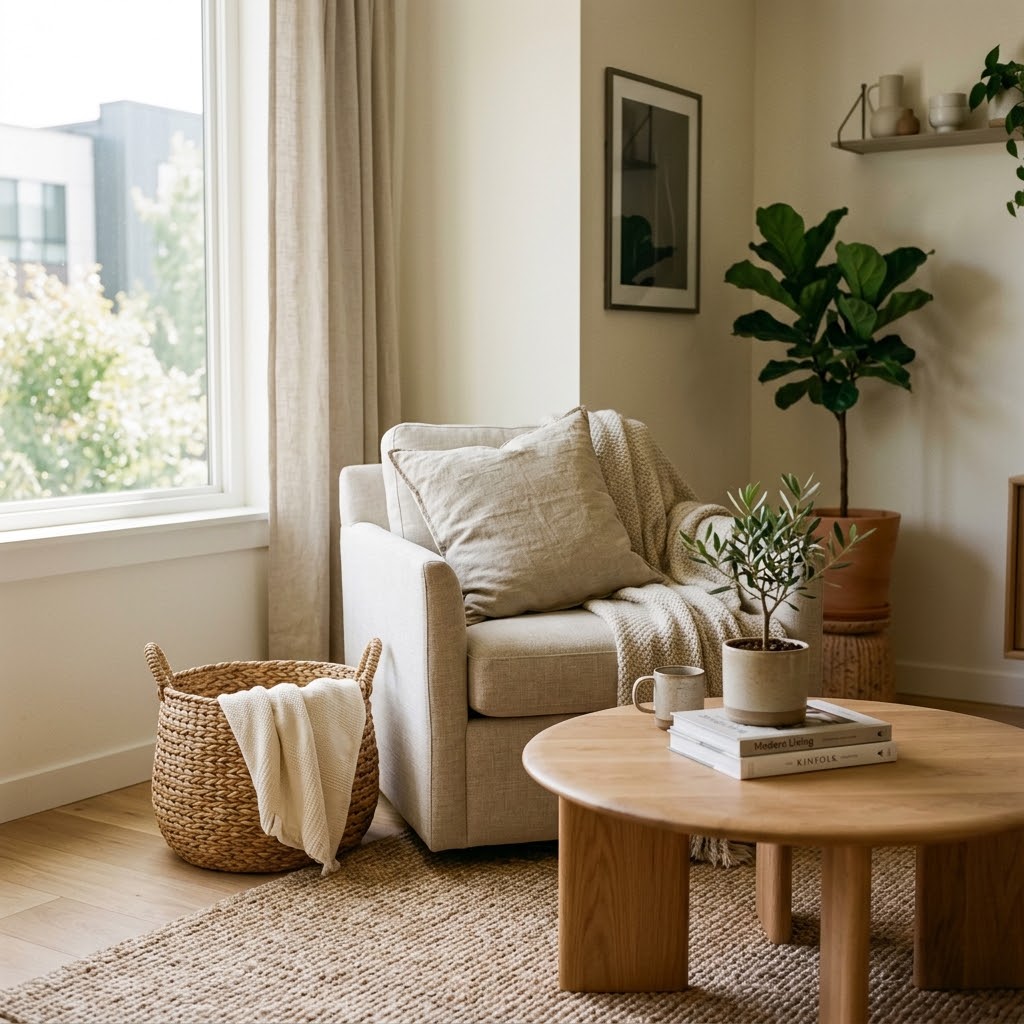
A lot of what makes a space feel expensive comes down to texture rather than color or price — natural materials like wood, linen, stone, and rattan almost always read as more elevated than smooth plastic or synthetic finishes. Swapping a plastic tray for a wooden one, or a synthetic throw pillow cover for a linen or textured cotton one, is a small change that adds a lot of visual depth for very little cost. Mixing two or three different natural textures in a single room — a wood coffee table, a woven basket, a linen throw — gives it a layered, collected feel rather than looking like everything came from the same catalog page. This is one of those elegant home decor ideas that’s more about material choice than spending more money overall.
9. Declutter Your Countertops Completely
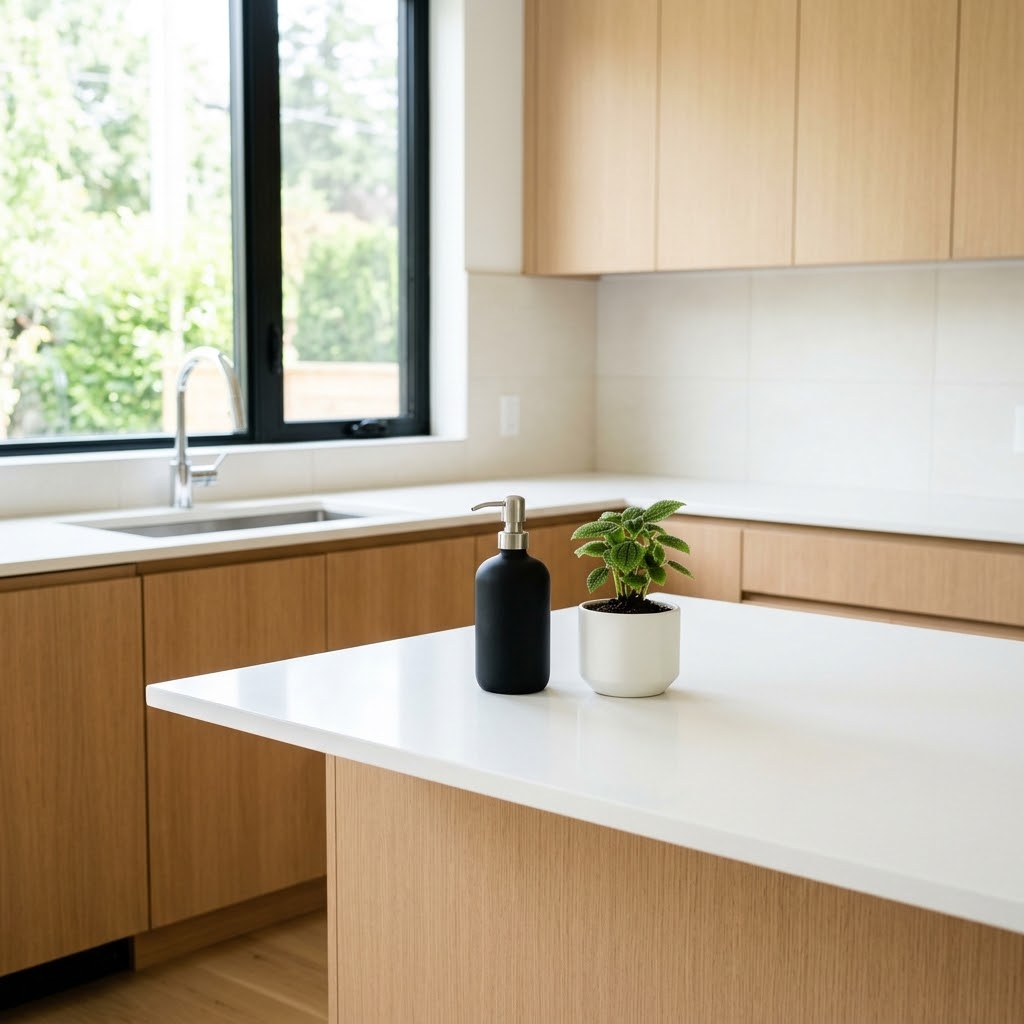
Kitchen and bathroom countertops are some of the fastest surfaces to accidentally undercut an otherwise nice home, simply because they collect clutter without anyone really noticing it happening. Clear off everything except what you use daily, and store the rest in cabinets or drawers, since bare counter space genuinely reads as more high end than a busy one, regardless of how nice your actual appliances are. If you do want a few items visible, keep it to one or two — a nice soap dispenser, a small plant — rather than a full lineup. This costs absolutely nothing and takes about fifteen minutes, and it’s one of the fastest wins on this entire list.
10. Update Cabinet and Door Hardware
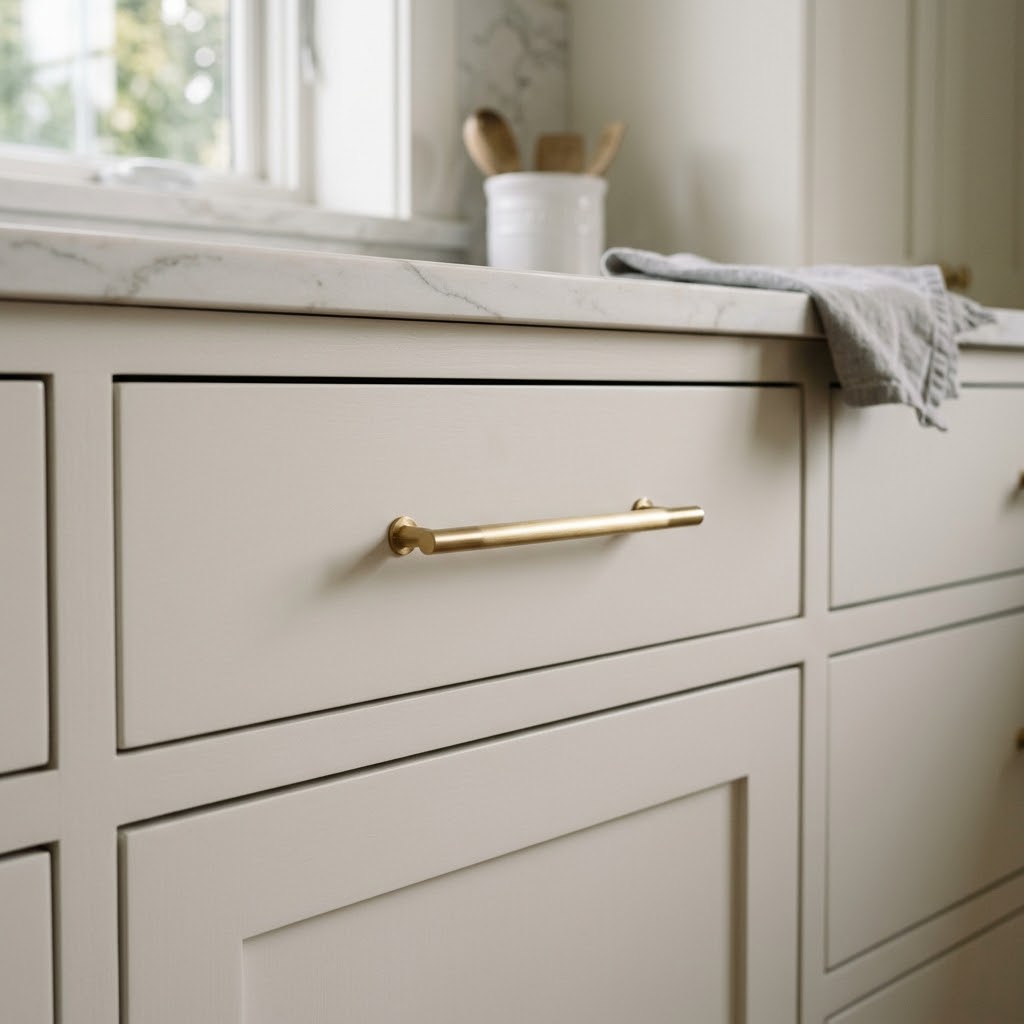
Swapping out dated, builder-grade hardware for something with a bit more weight and finish is one of the most cost-effective home styling tips out there, since it touches every cabinet and door in the house without requiring you to replace any of the actual furniture. A set of brushed brass or matte black cabinet pulls can make an entire kitchen or bathroom feel like it was recently renovated, even if nothing else in the room has changed. This is a genuinely simple DIY swap for most cabinets, usually just a screwdriver and an afternoon, and the difference is one of those things guests notice without being able to say exactly why the space feels nicer.
11. Get One Really Good Piece of Art
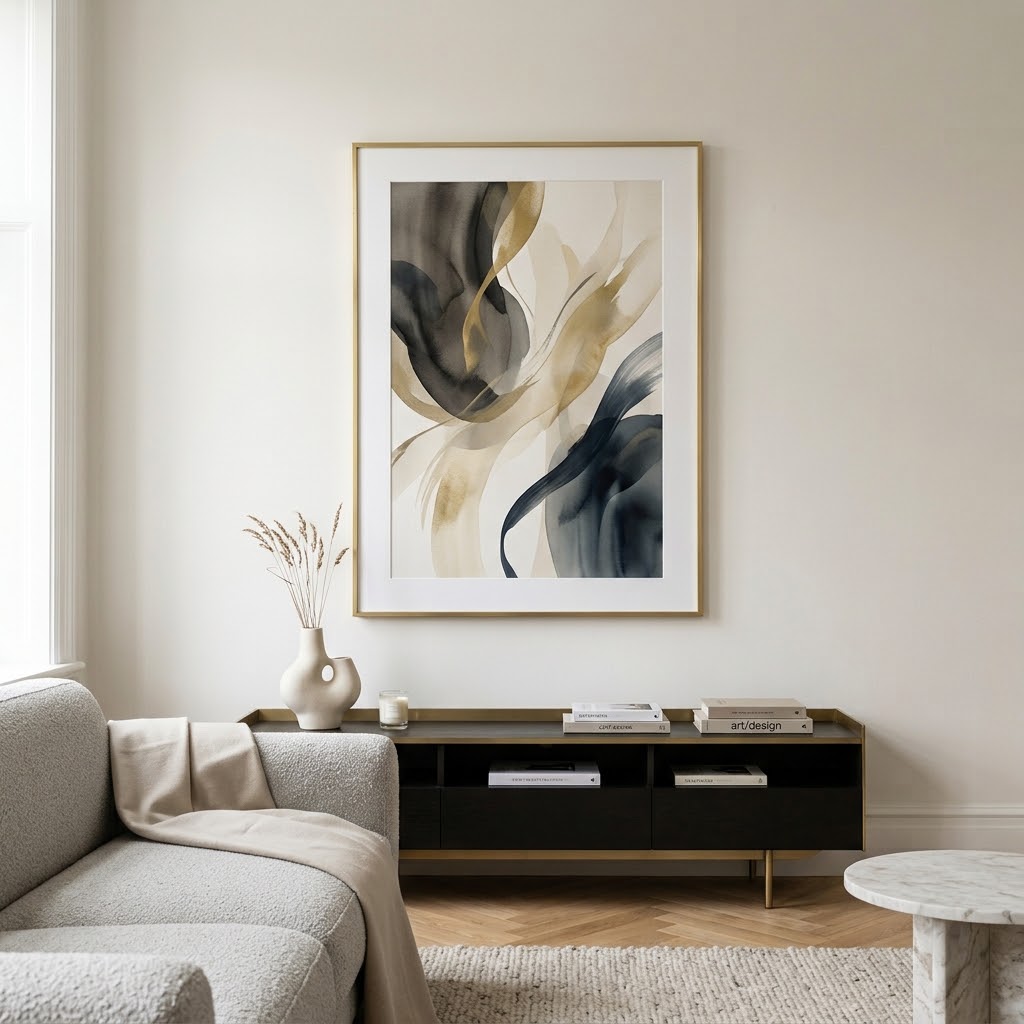
A single well-chosen piece of art does more for a room than a dozen small, forgettable ones scattered across the walls. It doesn’t need to be an original or expensive — a well-framed print in a large scale can carry an entire wall on its own, and oversized art specifically tends to read as more intentional and elevated than a gallery wall of mismatched, smaller pieces. Look for a large statement frame in a finish that complements your existing hardware or fixtures, since a cheap-looking frame can undercut even a genuinely nice print. This is one of those expensive looking home decor moves that works because it commits fully to one thing instead of spreading a small budget too thin across many.
12. Bring in Real or Realistic Greenery
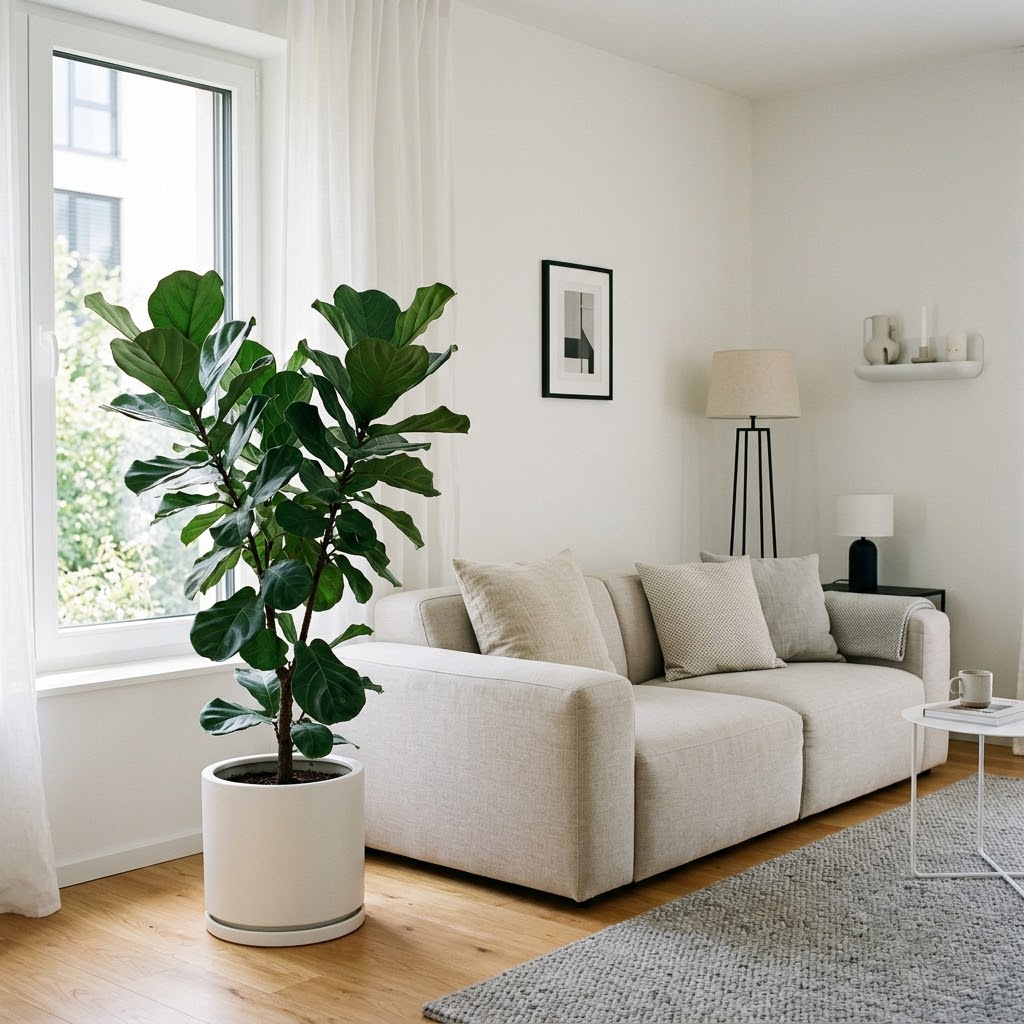
A home without any greenery at all tends to feel a little stiff and unfinished, no matter how well everything else is styled. A few well-placed plants — like a tall artificial plant or even small plants like pothos or snake plant — add life and softness that static decor can’t quite replicate on its own. If you don’t have a great track record keeping plants alive, high-quality faux greenery has come a long way and can genuinely pass for real from across a room, as long as you avoid the overly shiny, obviously synthetic versions. Skip the small, scattered plastic plants in favor of one or two larger, more realistic ones, since a single confident plant does more than five small unconvincing ones. This is a detail that’s easy to overlook, but it’s consistently present in homes that feel finished rather than half-decorated.
13. Choose a Tighter Color Palette
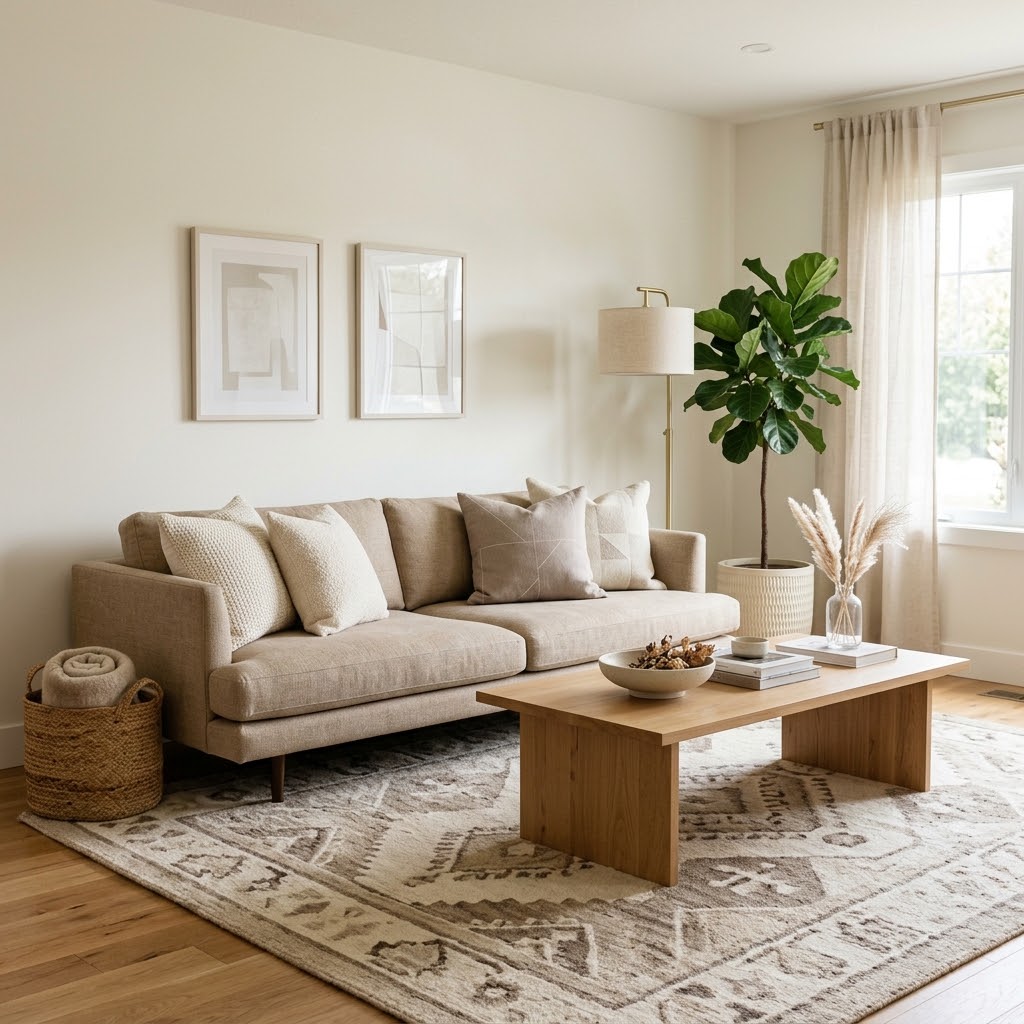
One of the quickest ways to make a home look unintentional is by letting too many colors compete across a single room. Expensive-looking spaces almost always work within a tighter palette — two or three main tones with the rest as neutral support — rather than a rainbow of accent colors fighting for attention. This doesn’t mean your home has to be beige and boring, but committing to a clear color story, whether it’s warm earth tones or a cooler neutral palette, makes even mismatched, budget furniture look like it was chosen deliberately. It’s one of the more overlooked luxury home aesthetic principles, mostly because it’s a discipline thing rather than a spending thing.
14. Make Your Bed Look Like a Hotel Bed
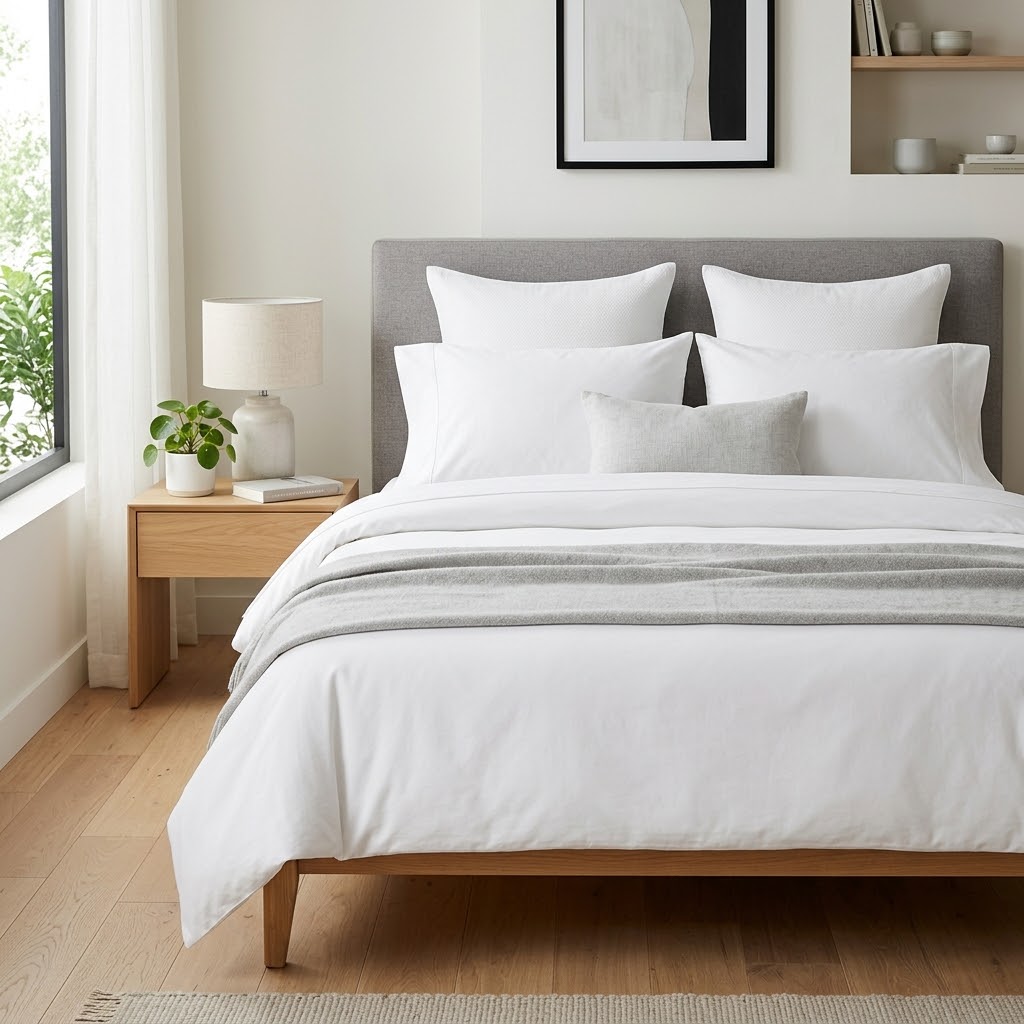
Few things elevate a bedroom faster than a well-made, properly layered bed, and it’s genuinely one of the cheapest upgrades on this whole list if you’re starting from mismatched or older bedding. Stick to a simple, cohesive color palette across your sheets, duvet, and pillows, and add texture with a folded throw at the foot of the bed and a few extra pillows in varying sizes stacked with intention rather than tossed on randomly. A good set of crisp cotton or linen sheets makes a noticeable difference here too, since fabric quality is one of those things you genuinely feel even if you can’t always describe why a bed looks more expensive. This is a detail most guests won’t see, but it’s one that changes how your own home feels to actually live in every single day.
15. Keep Cords and Clutter Out of Sight
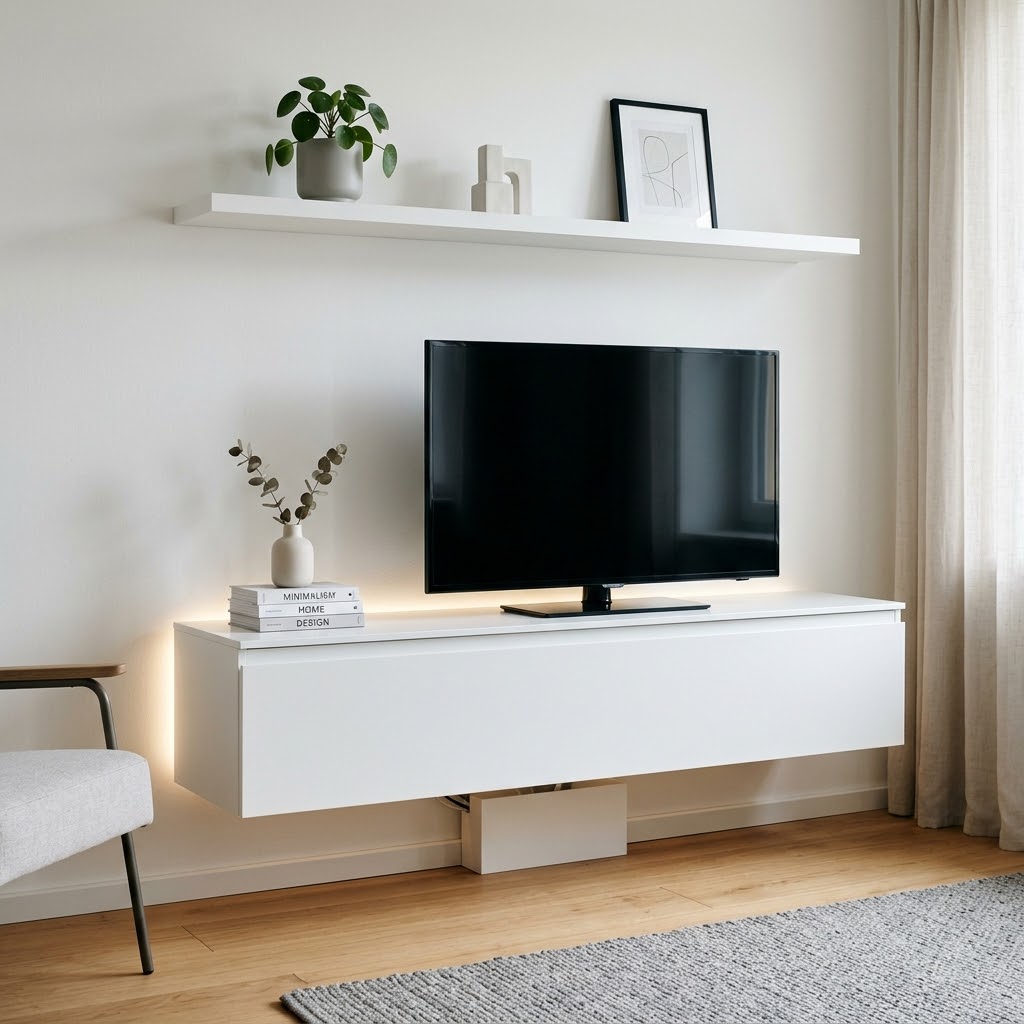
Visible cords, chargers, and cable clutter are some of the fastest ways to undercut an otherwise well-designed room, since they’re small but constantly in the eyeline. A simple cord management box or a few adhesive cable clips can hide the mess behind a TV stand or under a desk in under ten minutes. This applies to remote controls, chargers, and random mail piles too — designating a small hidden spot for the everyday clutter that naturally accumulates keeps the rest of your styling from feeling undone. It’s not glamorous, but it’s one of those expensive looking home details that works by simple subtraction rather than addition.
16. Give Your Home a Signature Scent
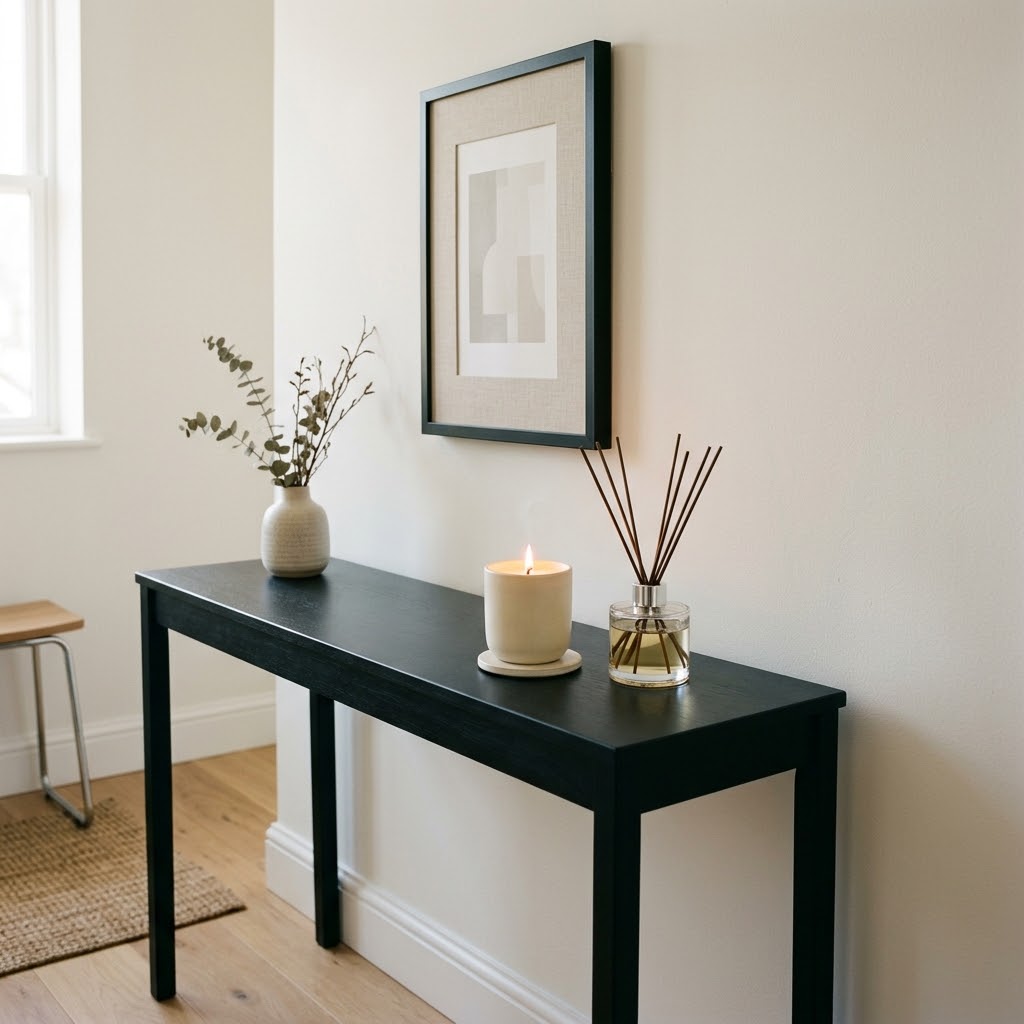
A room can look perfectly styled and still feel unfinished if it has no scent at all. Expensive-feeling homes tend to have one consistent fragrance running through them, not a rotating mix of whatever’s on sale. A well-made soy candle in a warm note like amber or fig works well for living spaces, while a reed diffuser in a cleaner scent like sandalwood or white tea is an easy, low-maintenance option for a bathroom or entryway. Keep it subtle rather than overpowering — a home that smells too strong tends to read as trying too hard. It’s a small detail, but people notice it the second they walk in.
Why These Changes Actually Work
Almost everything on this list comes down to the same handful of principles repeating themselves: restraint over excess, intentional grouping over random placement, and quality of light and texture over quantity of stuff. None of these changes require a full renovation or a big budget, which is really the whole point — a lot of what reads as “expensive” in a home is actually just editing, proportion, and a bit of patience, applied consistently across a space rather than dumped into one big purchase. Start with whichever one or two feel most doable in your current home, and let the rest follow over time. The homes that feel the most put-together were rarely finished all at once.
FAQ
What’s the single fastest way to make my home look more expensive?
Decluttering surfaces and swapping harsh overhead lighting for warmer lamp lighting are both fast, low-cost changes that make an immediate visual difference. Both can realistically be done in a single afternoon without spending much at all.
Do I need to replace my furniture to get a high end look?
Not necessarily — a lot of the changes that make the biggest difference, like lighting, curtain placement, and decluttering, work with the furniture you already own. Replacing furniture can help over time, but it’s usually not the first or most cost-effective step.
How do I make budget furniture look more expensive?
Grouping pieces symmetrically, adding natural-material accessories nearby, and keeping surrounding clutter minimal all help budget furniture read as more intentional. Good lighting also plays a bigger role than people expect, since it affects how texture and color actually appear in a room.
Is it possible to make a small space look expensive too?
Yes — many of these tips actually matter more in smaller spaces, since clutter and poor proportion show up faster in a tighter room. Editing down what’s visible and using a tighter color palette tend to have an even bigger impact in smaller homes than larger ones.