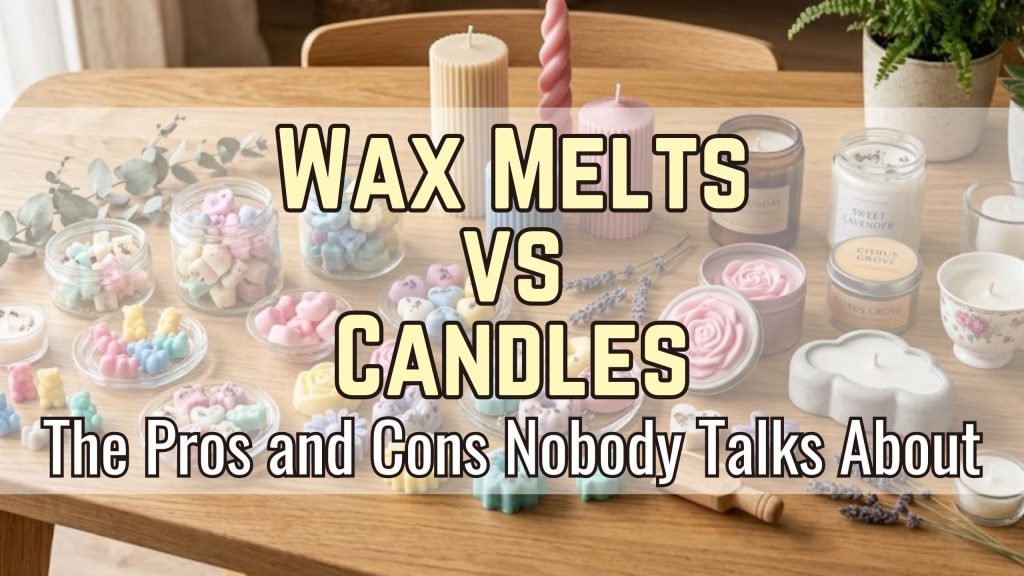
The wax melts vs candles debate is one every home fragrance lover eventually lands on — and the honest answer is more interesting than most people expect.
Both are beautiful. Both fill your home with scent. Both have devoted fans who will argue passionately for their choice. But they work very differently, perform differently in different homes, and suit different lifestyles in ways that most comparison articles never actually get into. If you have ever wondered whether you should switch from candles to wax melts — or whether you could use both — this guide gives you the real, honest breakdown with no fluff.
We are talking scent throw, safety, cost, non toxic home considerations, ease of use, and the specific situations where one genuinely wins over the other. Whether you are a clean living enthusiast who wants to know exactly what is going into your home’s air, a busy parent looking for the safest option, or someone building a home fragrance collection and wanting to make smart choices — this is the guide you need.
By the end, you will know exactly which one fits your home, your lifestyle, and your values. Let’s get into it.
Wax Melts vs Candles: Understanding What You Are Actually Comparing
Before we get into the pros and cons, it helps to understand exactly how each one works — because the differences in how they release scent matter a lot for making the right choice.
How Candles Work
A scented candle releases fragrance through combustion. When the wick burns, the heat melts the wax pool around it, and that liquid wax evaporates — carrying the fragrance molecules into the air. The flame itself also produces some heat-related scent release. This is why candles have that warm, enveloping quality to their scent — the fragrance is actively being burned and projected into the space.
How Wax Melts Work
Scented wax melts release fragrance through a flameless heat source — typically an electric wax warmer or a tea-light warmer. The wax melts slowly at a lower temperature than a burning candle, releasing fragrance gradually without combustion. Because there is no flame, the fragrance molecules are not burned off — they evaporate more slowly and at a lower temperature, which some people find creates a cleaner, longer-lasting scent experience.
This fundamental difference — flame vs flameless heat — is the foundation of everything else we are about to discuss.
The Pros and Cons of Candles
The Real Benefits of Scented Candles
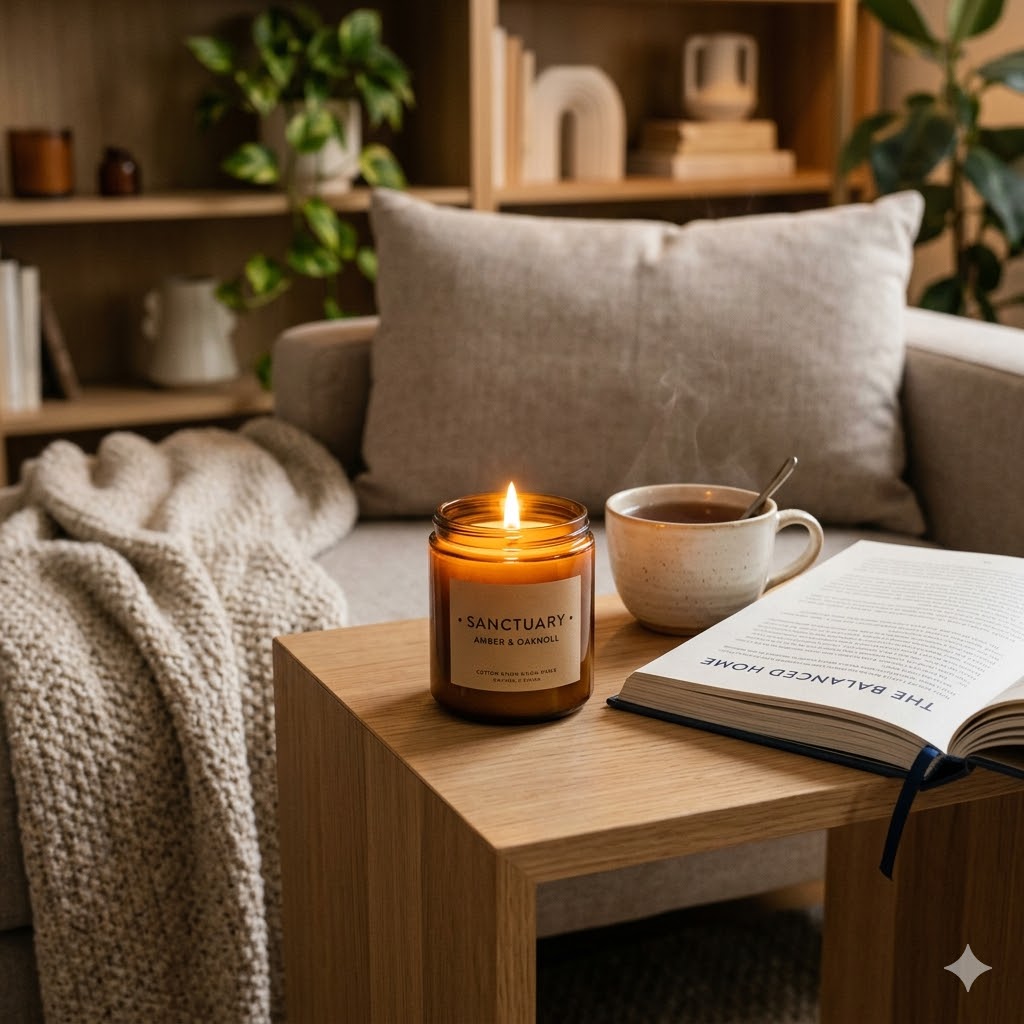
The ambiance is unmatched. This is the one thing wax melts genuinely cannot replicate — the visual experience of a flame. The soft flicker, the warm glow, the way candlelight makes a room feel intimate and alive. For home décor and atmosphere, a candle does something no other home fragrance product can do. It changes the entire feeling of a space.
The scent throw can be powerful. A high-quality scented candle in the right size for its room will fill that space with fragrance in a way that feels rich and layered. The combustion process projects scent actively, which is particularly effective in larger spaces.
They are a complete experience. Lighting a candle is a ritual. The match, the flame catching, the first curl of scented warmth — it is sensory in a way that clicking on a wax warmer simply is not. For self-care routines, meditation, baths, and winding down, candles have a psychological power that goes beyond just scent.
Gifting appeal is enormous. A beautifully packaged candle is one of the most universally appreciated gifts in existence. The combination of visual beauty, fragrance, and flame-as-ritual makes them gifting gold in a way wax melts have not yet matched.
The Honest Cons of Candles
Open flames are a real safety consideration. This is the most significant practical con of candles, and it is worth being honest about. House fires caused by unattended candles are not rare. For homes with young children, curious pets, or anyone who tends to fall asleep with a candle burning — the open flame requires genuine attention and care.
They produce soot and some air pollutants. All candles — including soy and beeswax — produce some soot and combustion byproducts. The type and amount varies significantly by wax type, wick material, and fragrance oil quality. For people focused on clean home air and non toxic home fragrance, this is a real consideration. Paraffin candles produce the most soot. Beeswax and soy produce considerably less.
Burn time is finite and the scent ends when the wax is gone. Once your candle is burned down, that is it. You buy another one. For heavy fragrance users, this can make candles a more expensive home scent habit than wax melts.
You cannot safely use them everywhere. Dorm rooms, offices, rental properties, and many shared spaces prohibit open flames. Candles are not always an option.
The Pros and Cons of Wax Melts
The Real Benefits of Wax Melts
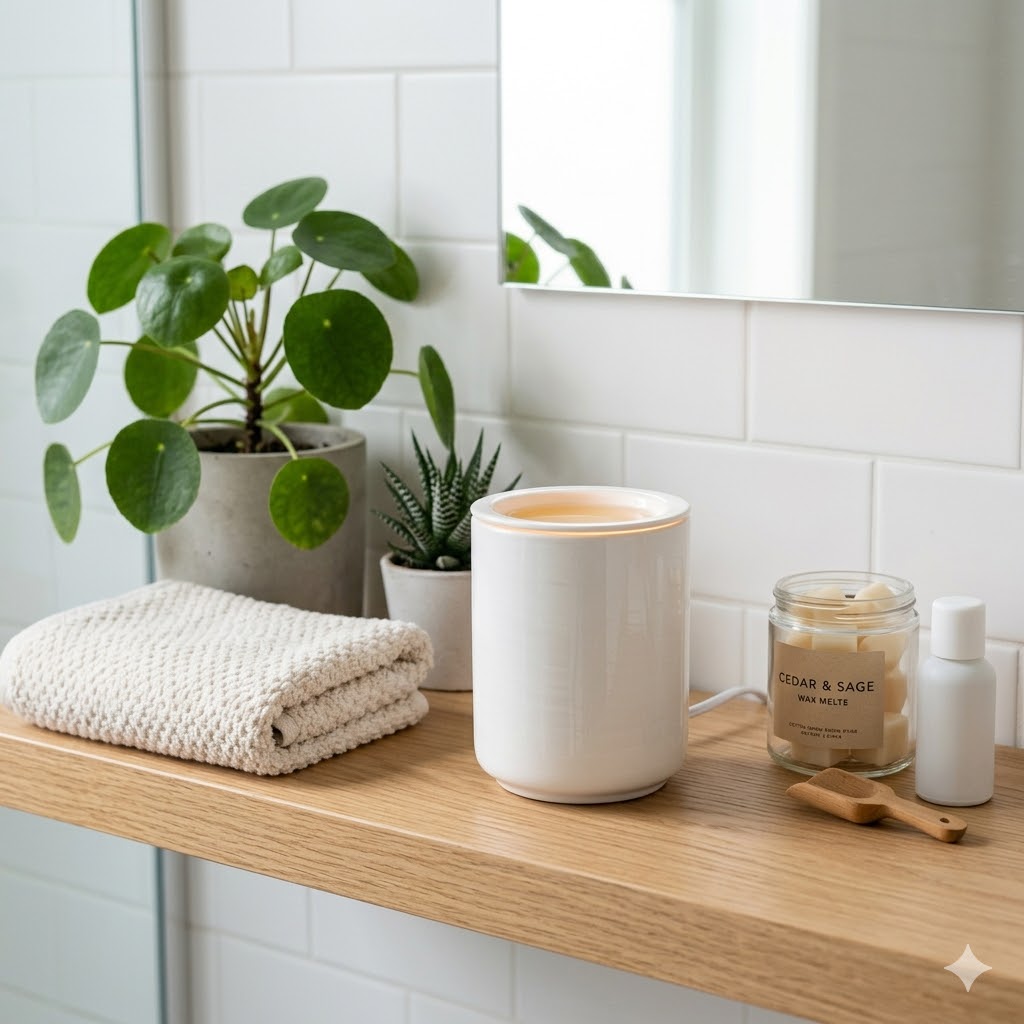
They are significantly safer for most households. No open flame means no fire risk from forgetting to blow out, no hot wax spills from being knocked over, and no concern about pets or children knocking something into a burning flame. For households with young children or pets, scented wax melts offer clean home fragrance without the safety compromise.
The scent lasts longer per use. Because wax melts release fragrance at a lower temperature without combustion, the scent molecules are not burned off quickly. A single cube of wax melt can scent a room for 8–12 hours — often significantly longer than the burn time of a similarly priced candle section.
You can mix scents. Drop in two different wax melt cubes and you have a custom blended fragrance. Try doing that with a candle. This flexibility is one of the most underrated wax melts benefits — the ability to create your own scent ideas for home by blending is genuinely fun and creative.
They work in spaces where candles cannot. Offices, dorm rooms, children’s bedrooms, rental properties — anywhere an open flame is not safe or permitted, a wax warmer works perfectly.
Cost per hour of fragrance is typically lower. When you calculate cost per hour of scent, wax melts often come out cheaper than candles — particularly premium candles. The wax itself is inexpensive and a little goes a long way.
The Honest Cons of Wax Melts
There is no visual ambiance. An electric wax warmer does not create the same atmosphere as a flame. If you light candles specifically for the mood and the glow — wax melts are not a replacement for that. They are a fragrance tool, not an atmosphere tool.
You need a warmer, which is an upfront cost. A good electric wax warmer costs $15–$50. This is a one-time purchase, but it is an additional piece of equipment that candles do not require.
Changing scents means discarding melted wax. When you want to switch from one fragrance to another, you have to remove the melted wax from the warmer dish — either by popping it out when cold, absorbing it with cotton balls, or wiping it out. It is a minor inconvenience but worth knowing about.
Quality varies enormously. Cheap wax melts from discount stores are often packed with synthetic fragrance and low-quality ingredients that do not support clean living at all. Just like candles, the quality of what you buy matters significantly for the air in your home.
Wax Melts vs Candles: The Non Toxic Home Question
This is the section most comparison articles skip — and for people genuinely focused on non toxic home living, it is the most important part.
What Goes Into Your Home’s Air
Every home fragrance product — candles and wax melts alike — releases some compounds into your air. The question is what kind, how much, and from what source.
Paraffin wax (used in most cheap candles and many cheap wax melts) is a petroleum byproduct. When burned or melted, it can release compounds including toluene and benzene — neither of which you want in high concentrations in your home air.
Soy wax burns cleaner than paraffin and is derived from a renewable source. It is not perfect — soy crops involve pesticides unless certified organic — but it is a significant improvement over paraffin for clean home air.
Beeswax is considered the cleanest burning wax available. It produces almost no soot, burns very slowly, and some people believe it actually releases negative ions that help purify air. It is the most expensive option but the cleanest.
Coconut wax is another increasingly popular clean option — sustainable, minimal soot, and excellent scent throw.
Fragrance oils vs essential oils matter too. Synthetic fragrance oils can contain phthalates — chemical compounds used to make scents last longer that some studies link to hormonal disruption. For the most clean home fragrance, look for phthalate-free fragrance oils or candles and wax melts scented only with pure essential oils.
The honest verdict on non toxic home fragrance: Neither candles nor wax melts are automatically non toxic. The wax type, fragrance ingredients, and wick material (for candles — avoid lead-core wicks, always use cotton or wood wicks) all matter. The cleanest options are beeswax or coconut wax products scented with phthalate-free fragrance oils or pure essential oils — in either candle or wax melt form.
Which Is Better for Your Home? The Honest Verdict
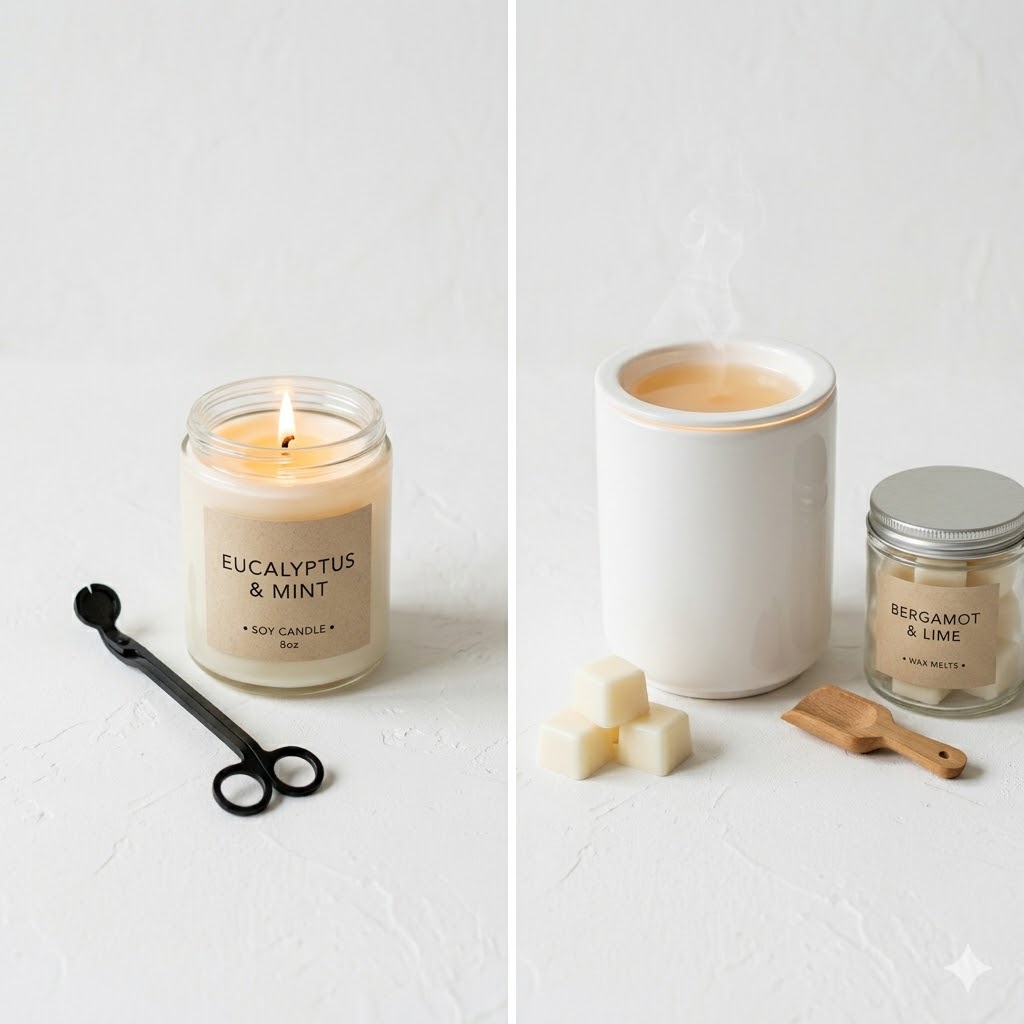
Choose Candles If…
- Atmosphere and ambiance matter to you as much as fragrance
- You enjoy the ritual and sensory experience of lighting a flame
- You are buying or giving gifts — candles win here every time
- You have a safe, supervised space to burn them
- You are happy to invest in quality wax and fragrance for a cleaner burn
Choose Wax Melts If…
- You have young children, curious pets, or anyone in the household who should not be around open flames
- You want longer-lasting fragrance per dollar spent
- You want to use home fragrance in spaces where flames are not permitted
- You enjoy mixing and creating your own custom home scent ideas
- Safety and flameless convenience are your priority
The Real Answer Most People End Up With
Use both. Candles for evenings, rituals, and atmosphere. Wax melts for daytime fragrance, busy family hours, and rooms where flames are not practical. They do not compete — they complement each other beautifully in a well-fragrant home.
Products Worth Considering for Your Home Fragrance Setup
Whether you land on candles, wax melts, or both — here are the products genuinely worth having for the best possible experience. You can find these at most home goods stores, specialist fragrance retailers, and online marketplaces, but these are the ones we recommend looking for specifically.
A quality electric wax melt warmer — look for one with adjustable heat settings rather than a fixed temperature. Controlled low heat releases fragrance more slowly and makes your wax melts last significantly longer. A warmer that runs too hot burns through your wax in a few hours; a good one makes the same melt last all day.
Natural soy or coconut wax candles — when buying candles rather than making them, look for ones that state their wax type clearly on the label. Soy and coconut wax burn cooler and cleaner than paraffin. A candle that does not tell you what wax it is made from is almost always paraffin.
Phthalate-free fragrance oil wax melts — this is the label claim to look for on wax melts. Phthalates are plasticising chemicals used in synthetic fragrance that are linked to hormone disruption. Phthalate-free fragrance oils give you strong, beautiful scent without that concern.
A wick trimmer — if you burn candles regularly, a proper wick trimmer is the single most impactful tool for cleaner, longer, soot-free burns. Trimming your wick to 5–6mm before every single burn prevents mushrooming, reduces soot, and extends the life of your candle by a genuinely meaningful amount.
A candle snuffer — blowing out a candle pushes the hot wax and releases a burst of smoke and soot into your room air. A snuffer extinguishes the flame cleanly with no smoke. Small detail, real difference — especially for anyone focused on clean home fragrance and air quality.
Glass jar storage for wax melts — wax melts stored in open air lose their fragrance over time. Store them in a sealed glass jar away from heat and sunlight and they will hold their scent for months longer. Small airtight jars are perfect for this and keep your fragrance collection organised and beautiful on a shelf.
You can find all of these on Amazon, at home fragrance retailers, and through specialist candle and wax melt suppliers. When buying wax melts or candles specifically, small-batch handmade sellers on Etsy often offer significantly better ingredient transparency and quality than mass-market brands — and you are supporting a small business in the process.
The wax melts vs candles conversation does not have a single right answer — it has a right answer for your home, your lifestyle, and your values. And now you have everything you need to make that choice with confidence.
What matters most is buying quality. Whether you choose a beautifully made soy candle with a cotton wick and clean fragrance, or a coconut wax melt scented with phthalate-free oils, you are making a conscious choice about what goes into your home’s air and your daily experience. That choice — taken seriously — is what clean living and a genuinely non toxic home actually looks like in practice. Not perfection, but intention. Not anxiety about every product, but knowledge that helps you choose better.
Fill your home with scent you love, in the form that works best for your life. That is the whole point.
Related: