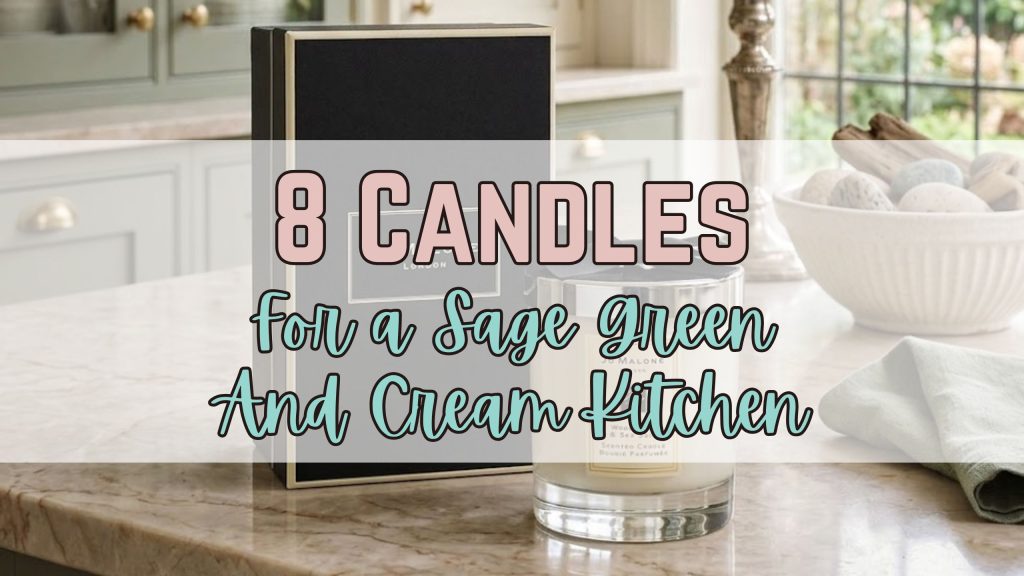
The nights that actually restore you are never the ones where you just collapsed. They are the ones where something shifted — where the evening had a texture to it, a softness, a sense that you were being taken care of even if the only person doing the taking care was you.
These bedtime routine ideas are ordered exactly as you would do them — from the moment the evening starts winding down to the last thing before the light goes out. Not obvious. Not generic. Just genuinely better ways to end the day that make sleep feel less like something you chase and more like something that finds you.
Each idea comes with three product recommendations to help you build it into something real.
Affiliate Disclosure: This article contains affiliate links which means we may earn a commission at no extra cost to you. You can check our affiliate disclosure page here.
11 Bedtime Routine Ideas in the Order You Should Actually Do Them
1. Decide When Your Evening Starts — and Protect It Like a Meeting
Most people do not have a bedtime routine because they never decide when the evening actually begins.
The single thing that makes every other idea on this list possible is a wind-down alarm — not a bedtime alarm, but one set sixty to ninety minutes before you want to be asleep. When it goes off, the laptop closes. The overhead lights dim. The evening begins. You are not negotiating with yourself in a tired, depleted state — you already made the decision in a calm one.
This is the invisible architecture behind every relaxing bedtime routine that actually works. Without it, everything else is just intention.
Recommended Products:
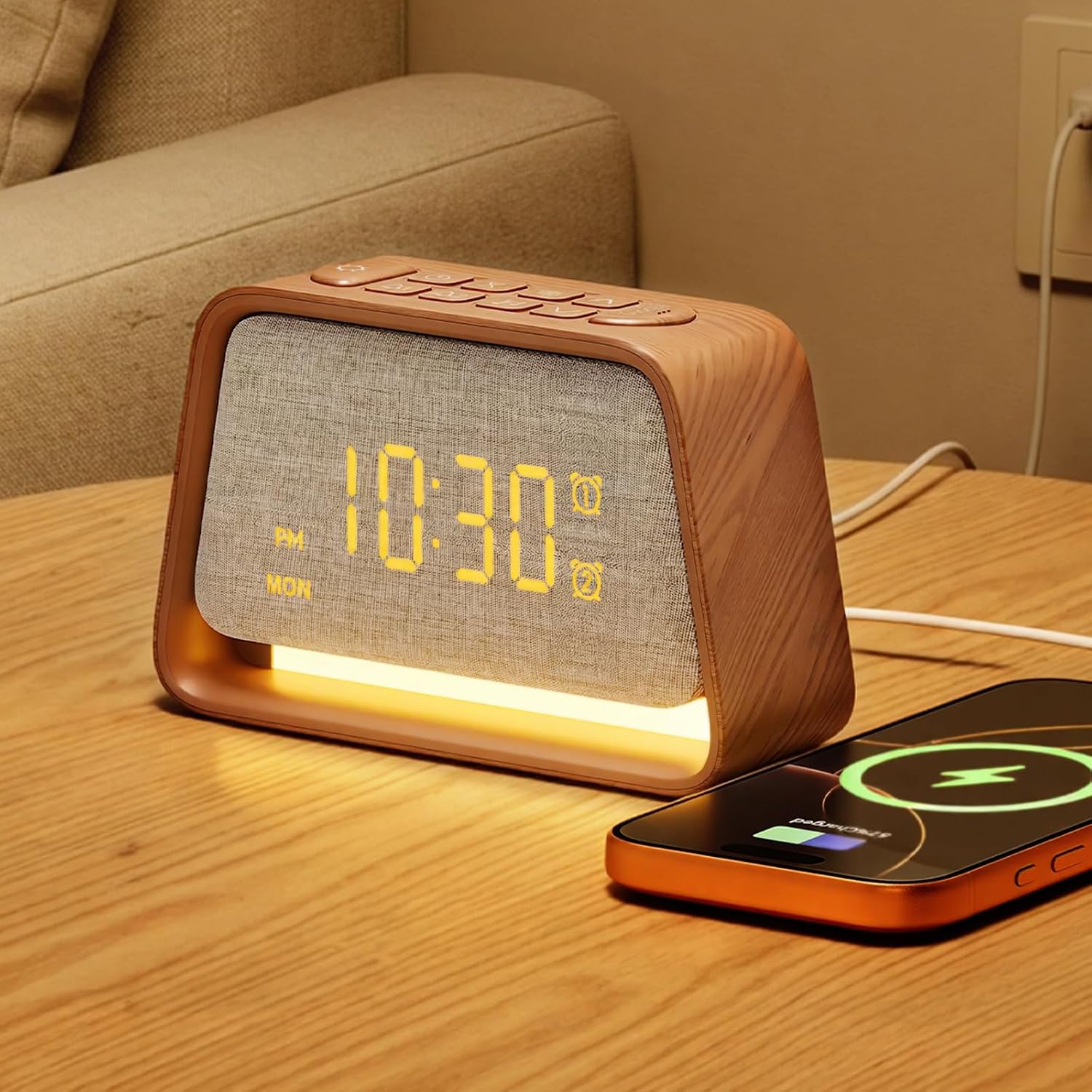
Tells you the time without dragging you into a screen when you reach for it in the dark.
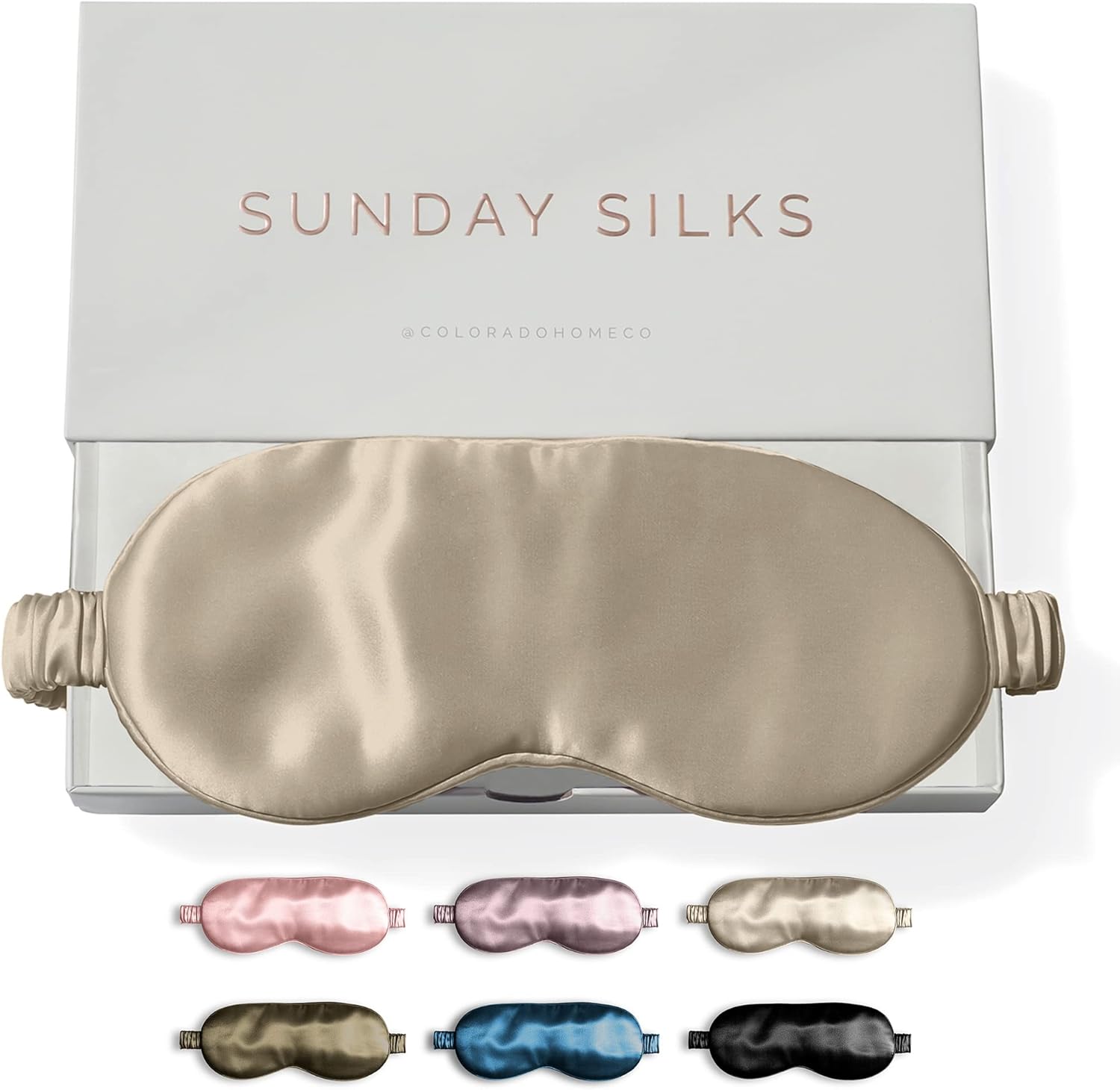
A visual cue that this is where the evening is heading, sitting there before you even start.
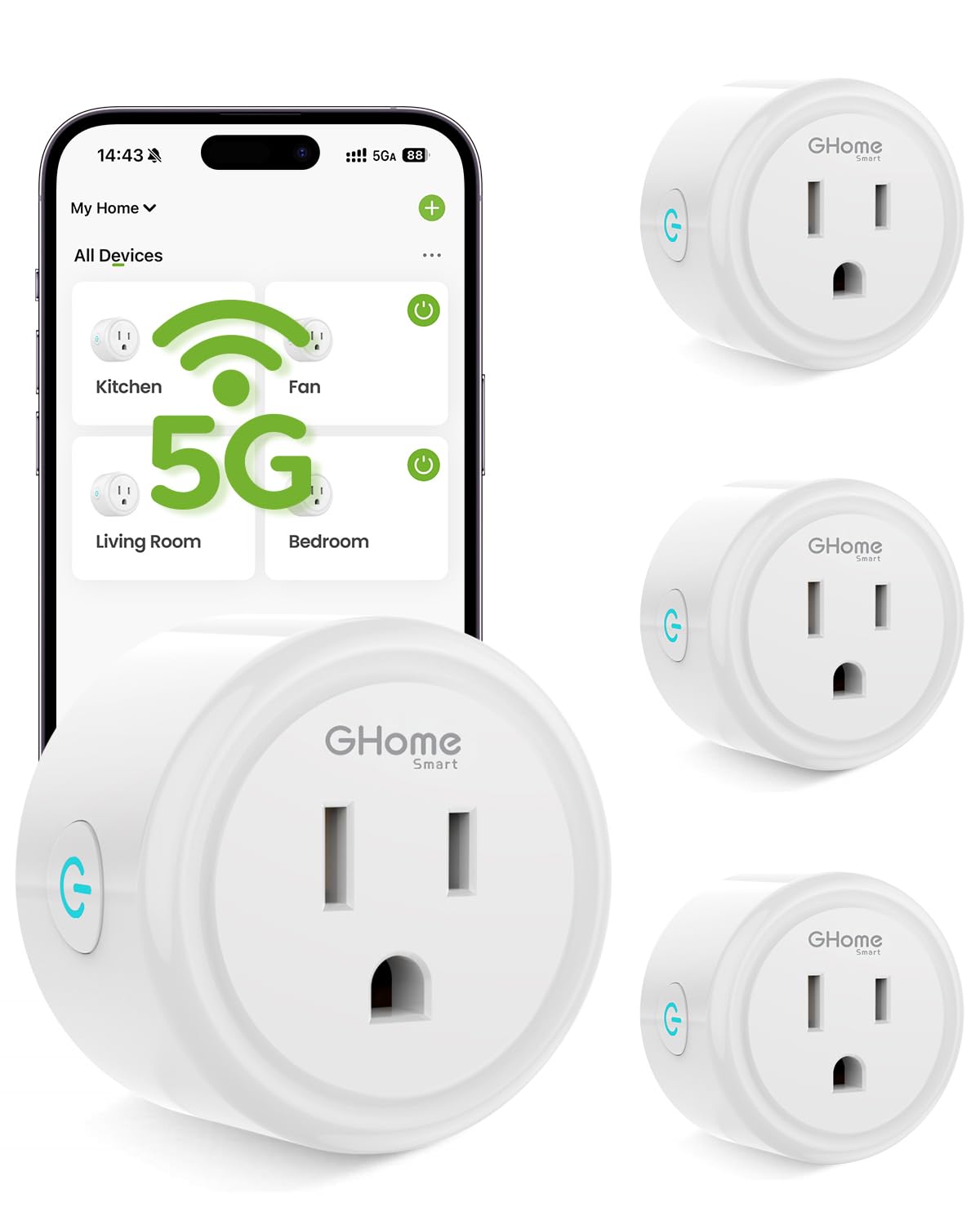
Dims your lamps automatically at wind-down time so the room shifts even when you forget to.
2. Change Out of Your Day Clothes the Moment You Get Home
This one sounds too simple — and it is one of the most psychologically powerful things on this list.
Your nervous system associates what you wear with what you are doing. Staying in your work clothes or day clothes into the evening keeps a low-level alertness running in the background that you stop noticing but never actually switch off. Changing into something soft — something that only belongs to evenings — is a physical signal that the performing part of the day is finished.
It does not have to be pyjamas. It just has to be something that feels like permission to exhale.
Recommended Products:

The kind that feels expensive but also somehow like being held, which is exactly what evenings should feel like.

Easy enough to wear through your entire evening routine and soft enough that you forget you have it on.

A dedicated home for things that are not quite dirty but definitely not for wearing again tonight, which removes one more small decision from your evening.
3. Do a Ten-Minute Tidy — Not a Full Clean
Clutter is visual noise. Visual noise is cortisol. Cortisol is the opposite of sleep.
You do not need a spotless home to sleep well — but a visually settled one makes an extraordinary difference to how quickly your nervous system quiets down. Ten minutes. Cushions straightened, surfaces cleared, anything out of place returned to where it belongs. Not because the home needs to be perfect but because you deserve to move through your evening in a space that feels calm.
This is slow living in its most practical form — caring for your environment as an act of caring for yourself.
Recommended Products:
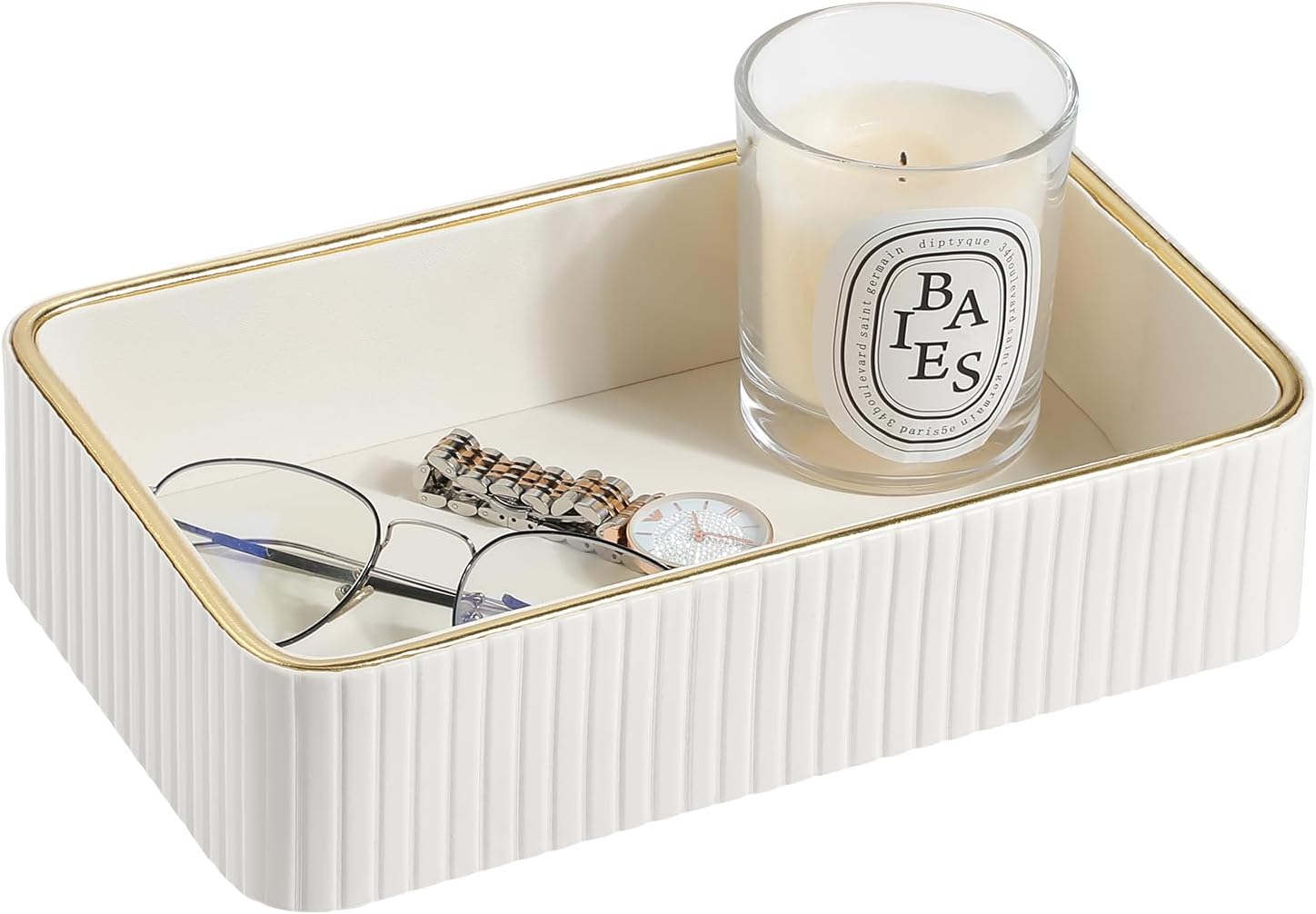
For your candle, eye mask, candle etc.
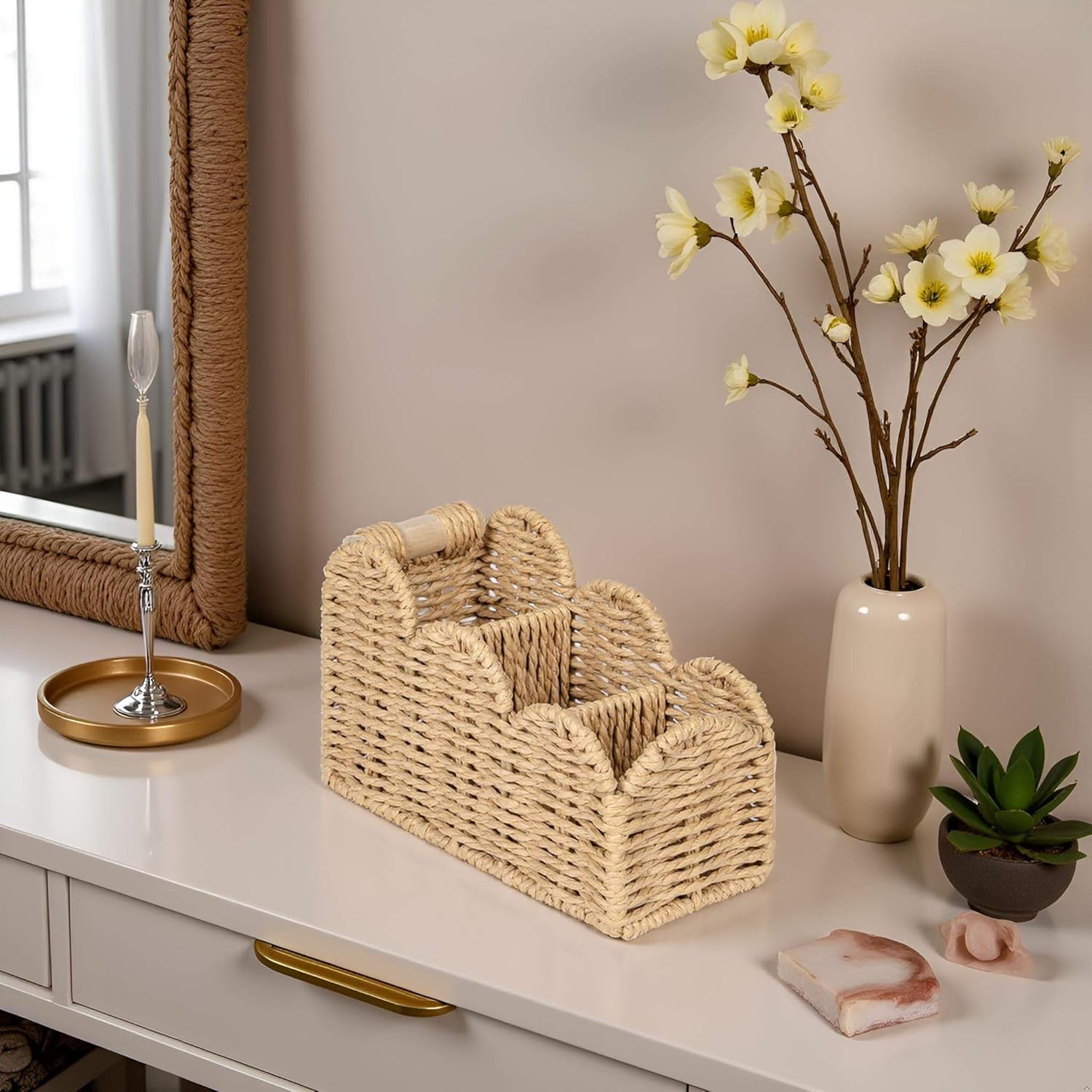
Looks like a decoration piece and works for tidying up your table as well.
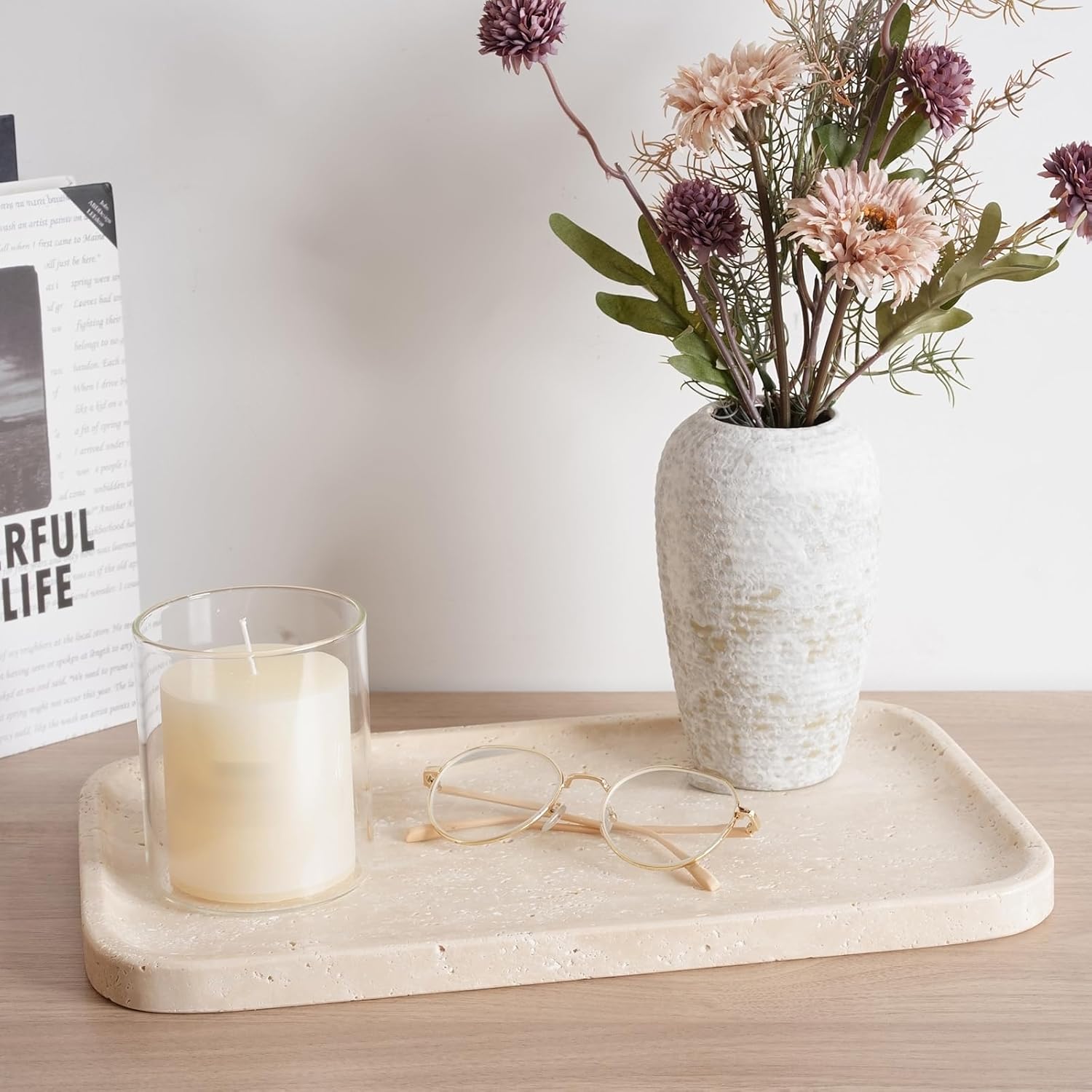
Everything that lives on your coffee table or bedside looks intentional when it lives on a tray, which means tidying becomes rearranging rather than clearing.
4. Light Your Evening Candle and Let the Room Change
Candlelight is not ambience. It is a biological instruction to your brain that the sun has set and rest can begin.
The warm colour temperature of a candle flame — far lower than any electric light — triggers melatonin production in a way that overhead lights, warm-toned bulbs, and screens actively prevent. This is one of the bedtime routine ideas that works on a level most people never consciously connect to how well they sleep. The room feels different by candlelight because your brain is responding to it differently — quieter, slower, closer to sleep than you realise.
Choose a scent that belongs only to evenings. Over time it becomes a sleep cue all by itself.
Recommended Products:
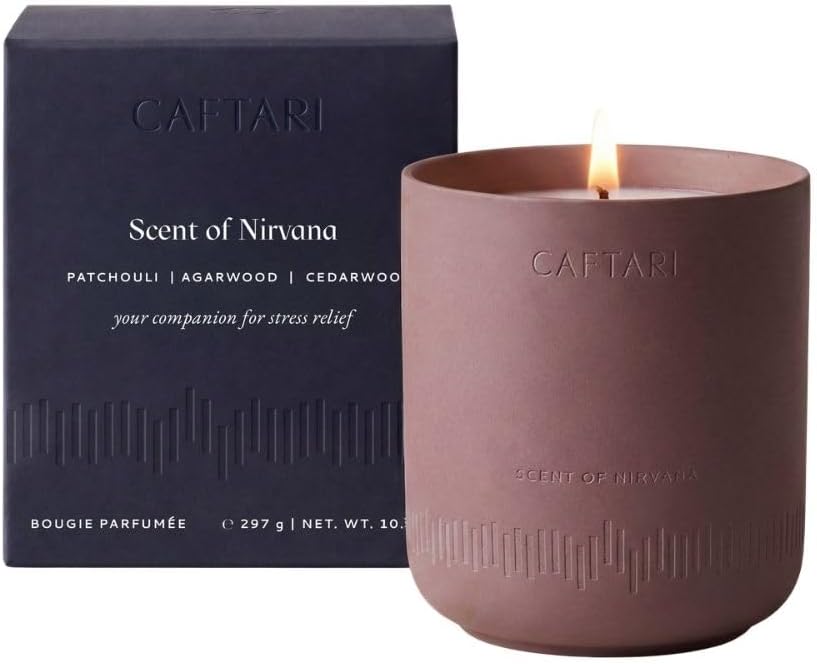
Burns slowly enough to last your entire wind-down, releasing fragrance gradually rather than all at once.

Visually appealing on top of a beautiful scent.

The soft crackle adds a sound layer that makes the room feel genuinely quiet in the way that silence sometimes cannot.
Your evenings deserve a scent that makes the whole night feel different — explore the full sleep and evening candle collection → HERE
5. Have a Warm Drink — But Make It Slowly
Not another coffee. Something that asks nothing of you except to sit down and hold it.
The act of making a warm drink slowly — a chamomile, a moon milk, a turmeric latte — is one of those cozy night routine rituals that works as much through the making as through the drinking. Your hands are busy. Your mind has somewhere gentle to go. The warmth of the mug in your hands is one of the most primally calming sensory experiences available to a human being, and it costs almost nothing.
The drink is not the point. The slowing down to make it is.
Recommended Products:
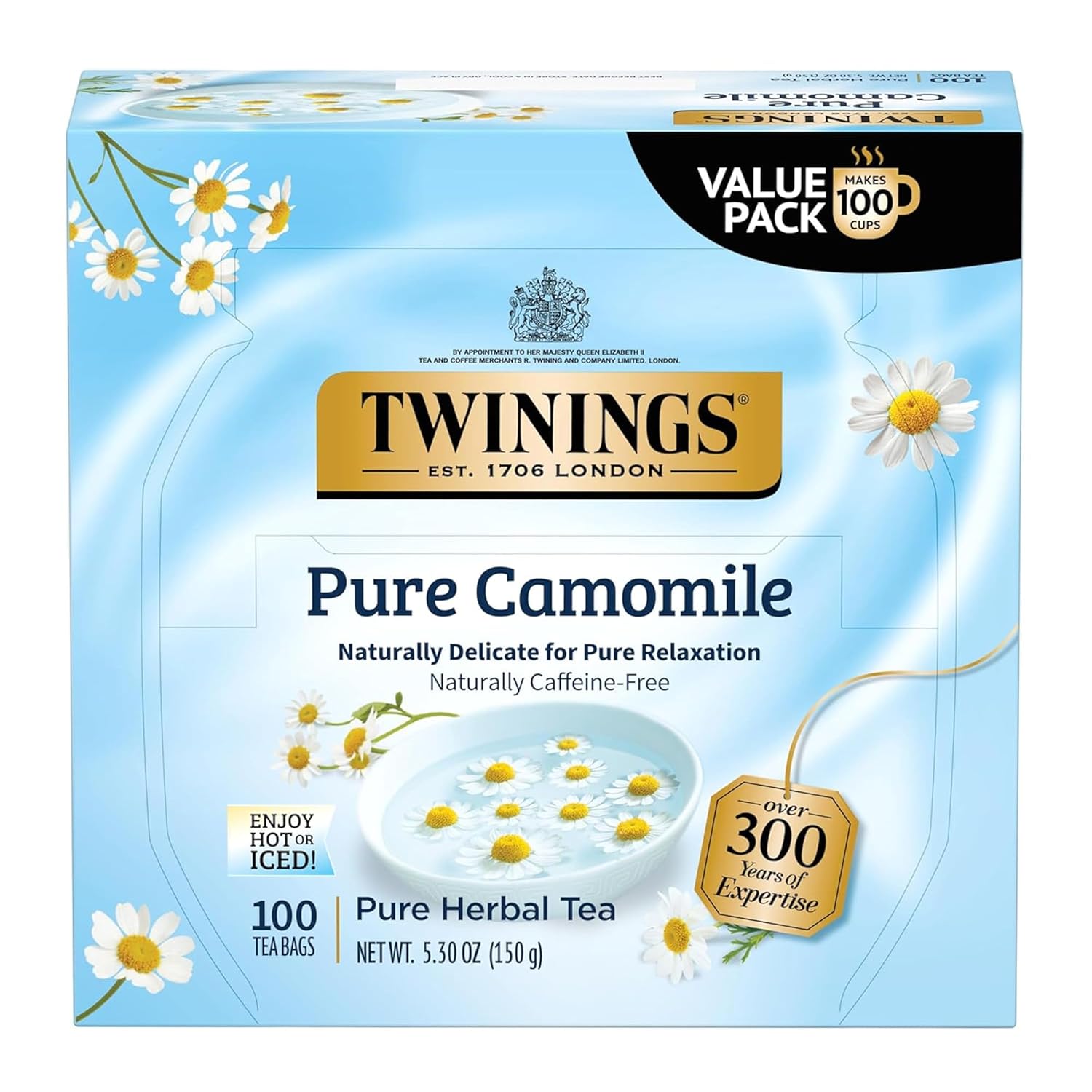
Chamomile is proven to give you a relaxing sleep.

A creamy, plant-based golden latte to end your day right!

Two boxes of Royal Milk Tea! Great for a cozy afternoon.
6. Do Your Skin Care at a Pace That Feels Indulgent
The routine itself is not the point. The pace is.
Evening skin care done slowly — cleanser massaged in for a full sixty seconds, serum pressed in with warm fingertips, moisturiser worked upward with actual intention — is one of the most underrated self care night routine rituals available because it forces you to touch your own face with something approaching kindness. To look at yourself in the mirror without immediately looking away.
Your skin genuinely repairs itself during sleep. A consistent evening routine supports that. But the act of doing it slowly is what supports you.
Recommended Products:

The kind you massage in with dry hands and rinse off feeling like you actually removed the day rather than just moved it around.
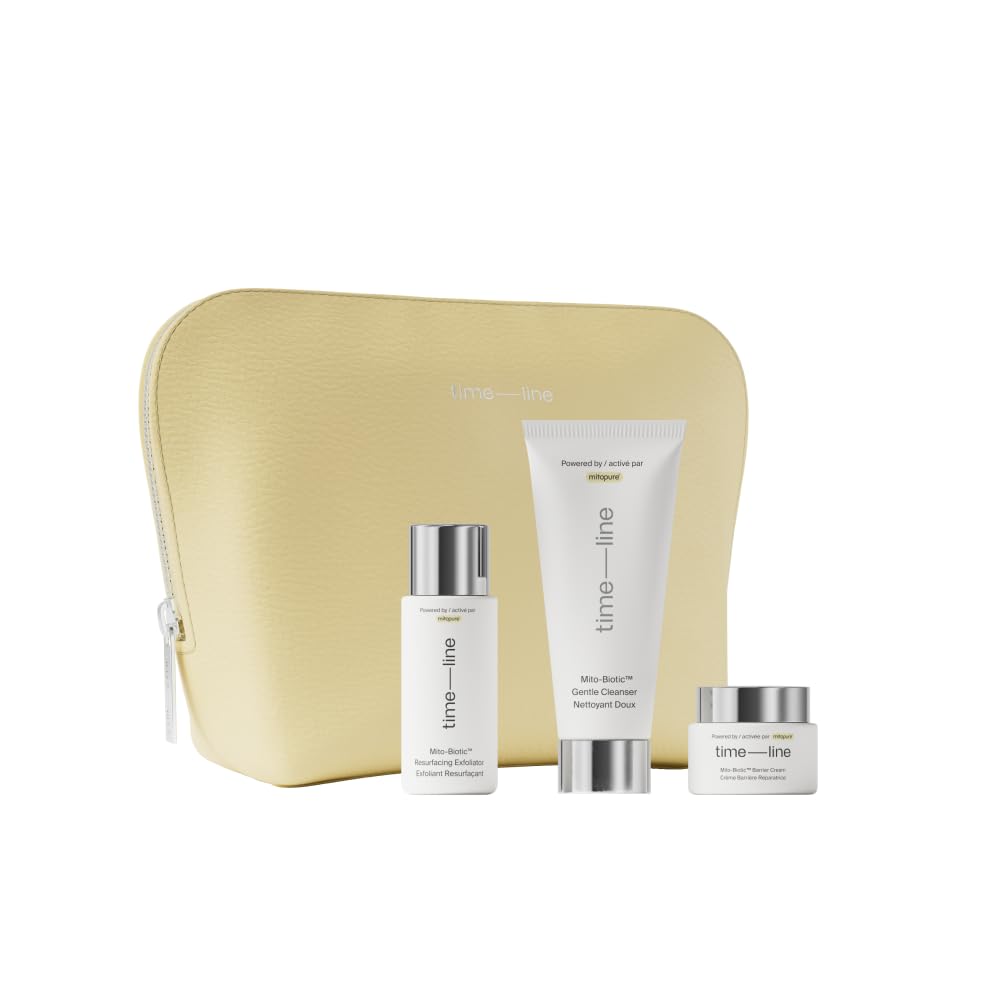
Three minutes across your jaw, cheekbones, and neck and your face feels like it has been somewhere peaceful.

Face wash, cleanser and serum in one set.
7. Have a Shower — Warm Not Hot, and Here Is Why
The temperature distinction is not a preference — it is sleep science.
A hot shower raises your core body temperature and delays the natural drop your body needs to initiate deep sleep. A warm shower raises it gently, and then — when you step out into cooler air — the temperature drops quickly, triggering the sleep response almost on cue. It is one of the most evidence-backed better sleep tips in existence and the one most people get backwards.
Do it after skin prep if you prefer your serums on clean post-shower skin. The order is yours.
Recommended Products:

Dissolves on the shower floor and turns a five-minute rinse into something that smells like a spa genuinely cares about your evening.

Scrub the day away! Get irresistibly soft and polished skin in minutes.

Applied to slightly damp skin it absorbs almost instantly and leaves you feeling like you just did something very good for yourself.
8. Change Your Lighting Completely
Most bedrooms are lit for tasks, not for sleep. This is one of the quietest problems in most people’s evenings.
Overhead lighting in the evening — even warm-toned overhead lighting — runs far cooler and brighter than your brain needs it to be after 8pm. Switching to a single low lamp, a salt lamp, or candlelight only for the last hour before bed is a better sleep habit that costs nothing if you already have a lamp and makes a noticeable difference within the first few nights.
The darker and warmer the light, the faster melatonin rises. The faster melatonin rises, the easier sleep comes.
Recommended Products:

The kind you can turn down to almost nothing so the room feels like the evening actually wants you to rest.

Emits a warm amber glow that runs at exactly the colour temperature your brain finds least stimulating, which means it is doing something useful while it looks beautiful.
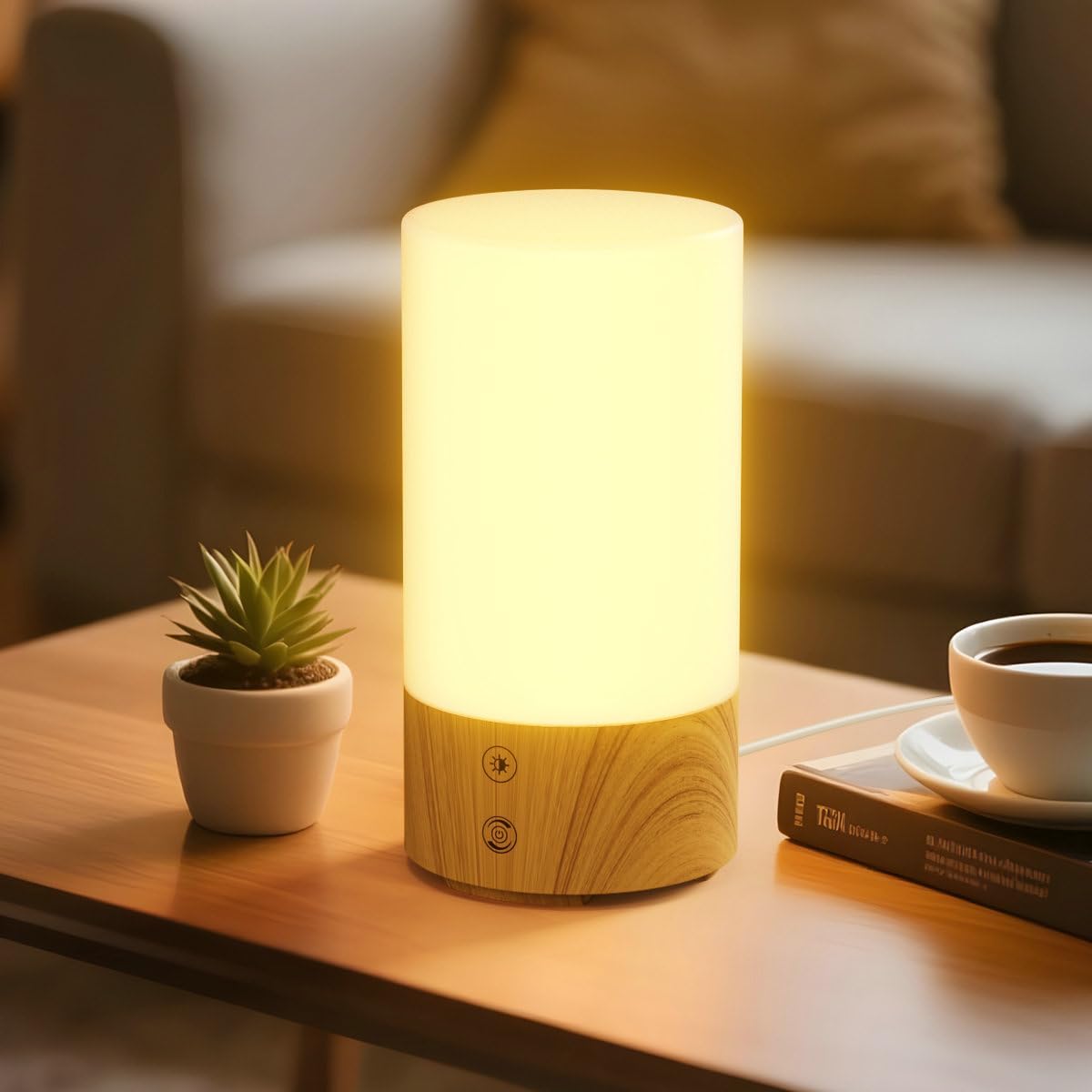
Shift every lamp in your home to a sleep-supportive colour temperature automatically at a time you set, which removes the decision entirely.
9. Write Tomorrow Down and Close the Tab
The thoughts keeping you awake at midnight are almost never about today. They are about tomorrow.
A two-minute brain dump — three to five things you need to do tomorrow, written in a physical notebook before you get into bed — tells your brain that it does not need to keep rehearsing them. The list holds the information. The brain can let go. Studies on this are surprisingly specific: people who write a detailed to-do list for the following day fall asleep significantly faster than those who do not.
This is the sleep routine idea with the highest return for the least effort on this entire list.
Recommended Products:

Permanent enough to feel like it matters, compact enough that it does not take over the table.
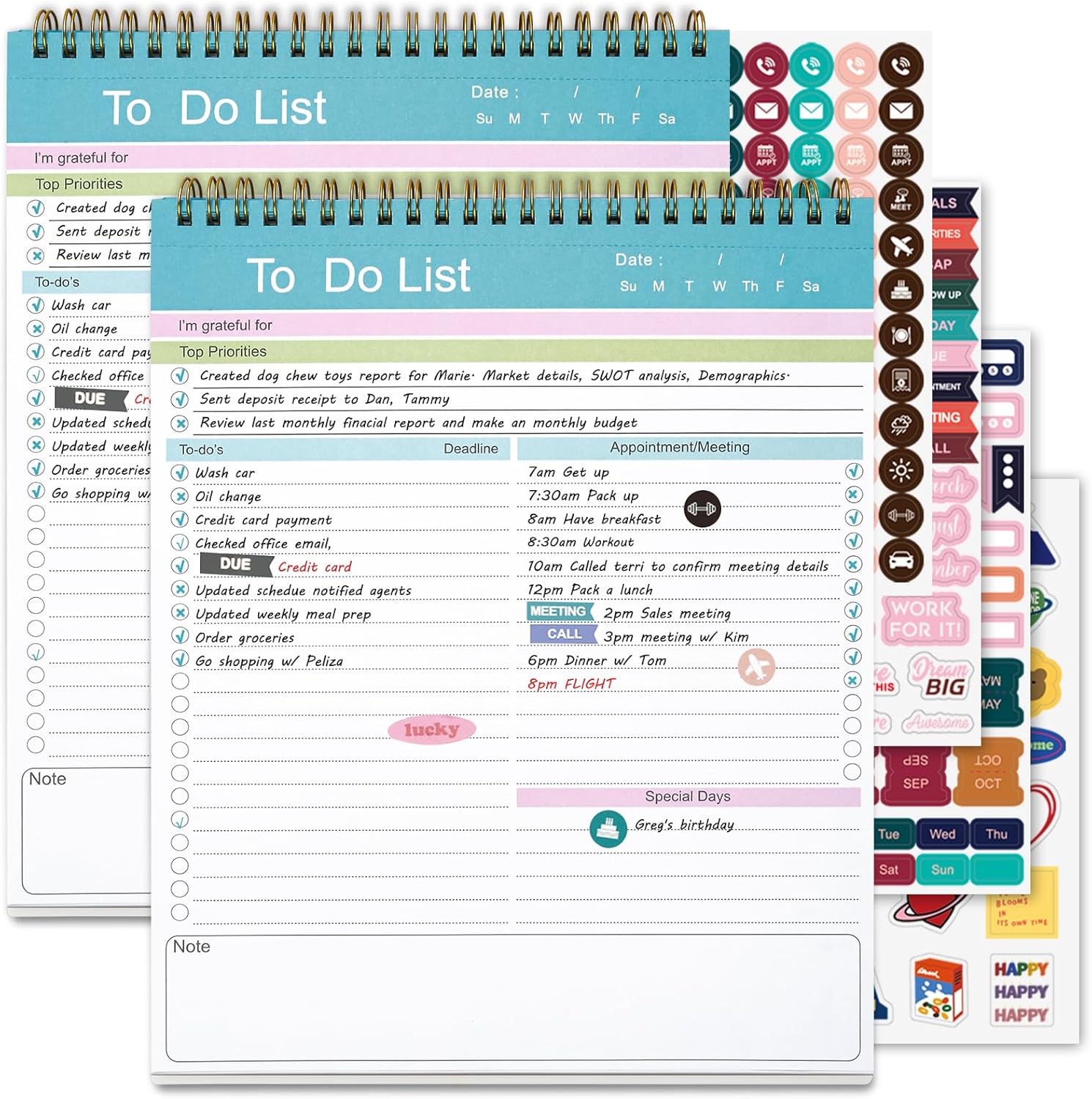
Removes the blank page entirely so you empty your head in ninety seconds and close it feeling genuinely finished with the day.

Because a scratchy pen at 10pm is exactly the kind of friction that kills a good habit before it has a chance to stick.
10. Cool Your Bedroom Down Before You Get In
Your body temperature needs to drop by one to two degrees to enter deep sleep. Your bedroom can either help or fight that process.
Most people sleep in rooms that are too warm — particularly in the warmer months or in homes with central heating left on overnight. The ideal sleep temperature sits between 16 and 19°C. Even dropping your room by two degrees from whatever it currently is will produce a noticeable improvement in how deeply and continuously you sleep.
Open a window slightly. Turn the heating down. Pull the heavy duvet back and let the bed cool before you get in. Small adjustments, real results.
Recommended Products:

Temperature-regulating in a way that synthetic duvets simply are not, which means you stop waking up too warm at 3am.

The single most impactful product on this list for anyone who runs warm at night, because your head temperature has an outsized effect on how quickly and deeply you fall asleep.
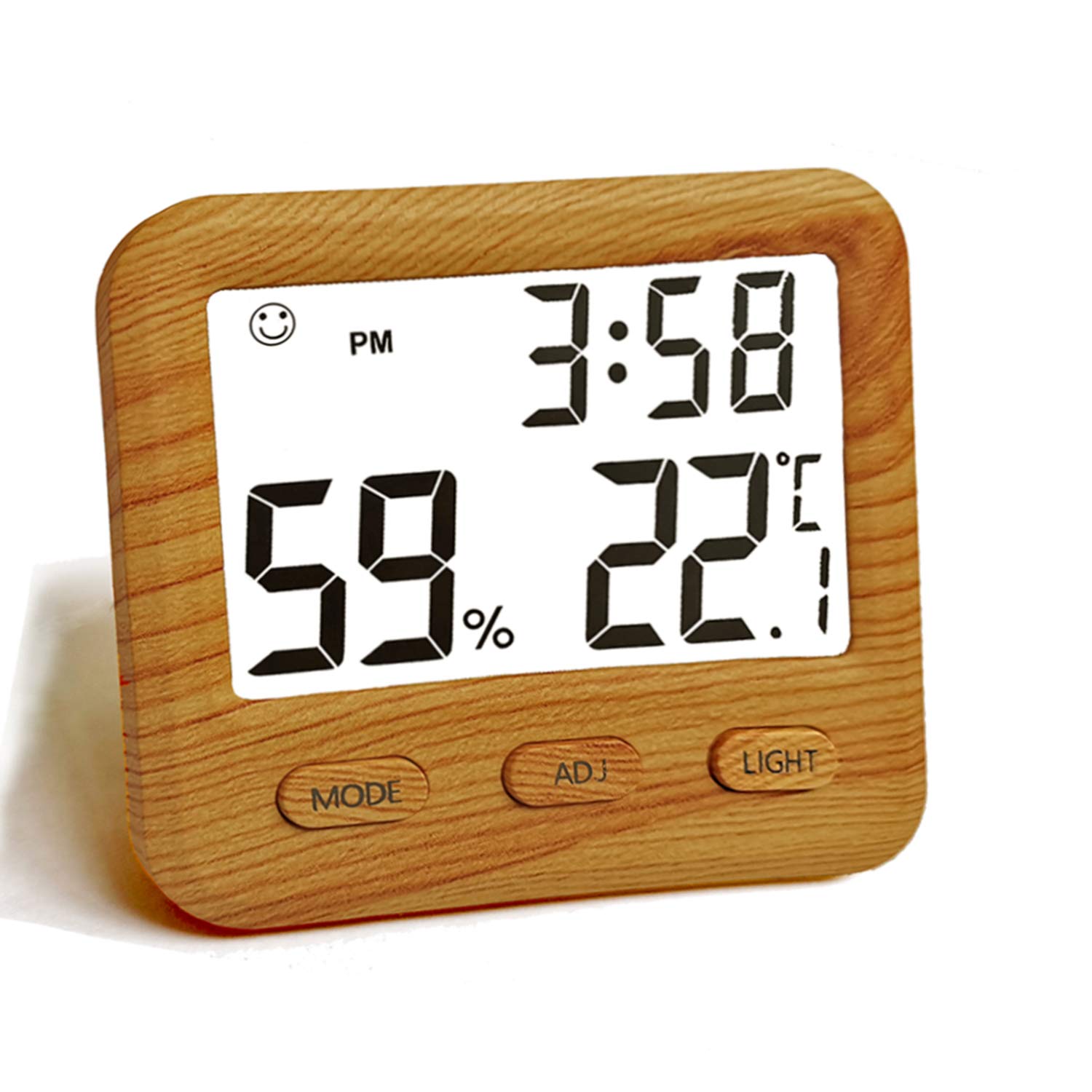
Knowing your actual room temperature rather than guessing removes all the ambiguity from this habit and makes it something you can actually track.
11. Choose a Scent That Only Ever Belongs to Night
This is the last thing you do. And over time, it becomes the most powerful thing on this entire list.
Pick one fragrance — a pillow spray, a body lotion, a roll-on — and use it exclusively at night, exclusively as the very last step of your bedtime routine. Nothing else. Just this. Over days and weeks, your brain begins to associate that scent with the specific feeling of letting go, of safety, of rest. Eventually, the act of applying it begins the shift toward sleep before you have even closed your eyes.
This is slow living aesthetic in its most intimate form — one small repeated act of care that asks almost nothing of you and gives back more than you expect.
Recommended Products:

The last thing your hands do before they rest, and the last scent your brain registers before it lets the day go.
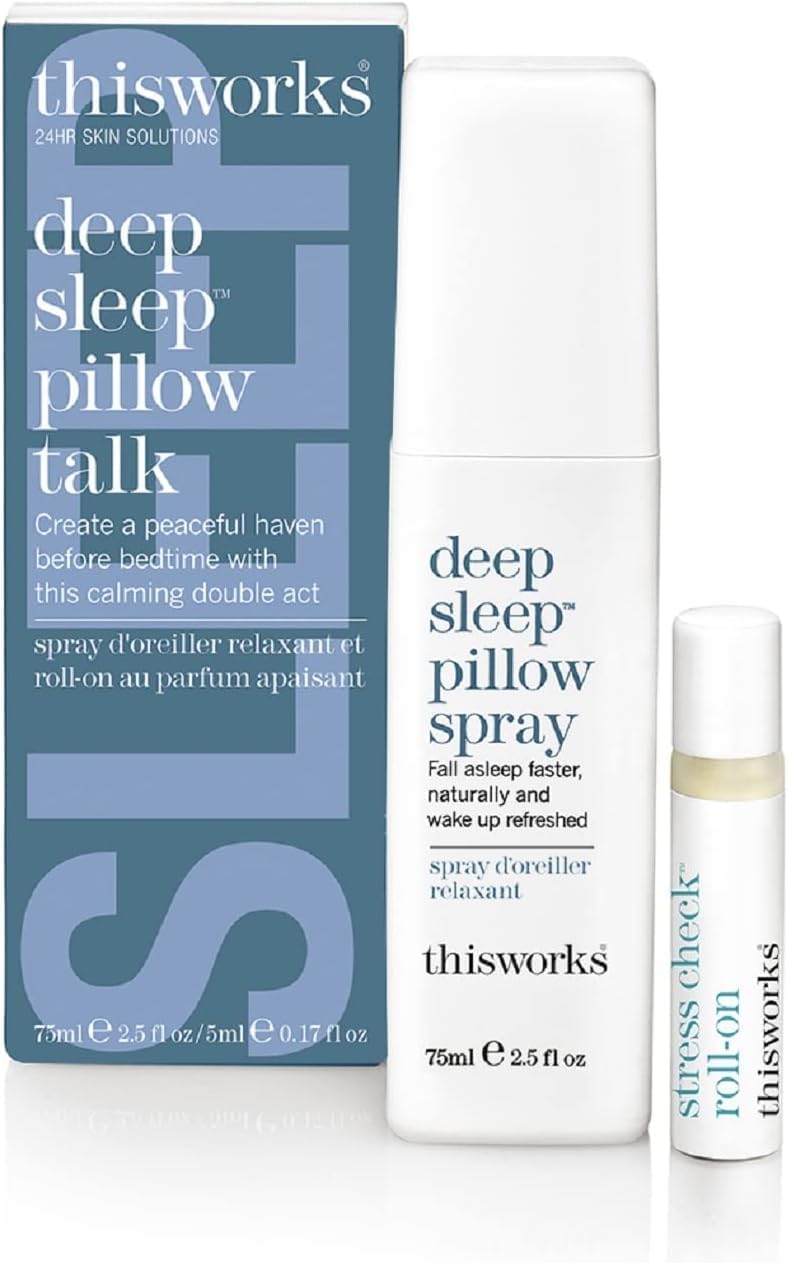
Two spritzes on your pillow as the light goes out and the whole bed smells like somewhere you cannot wait to disappear into.
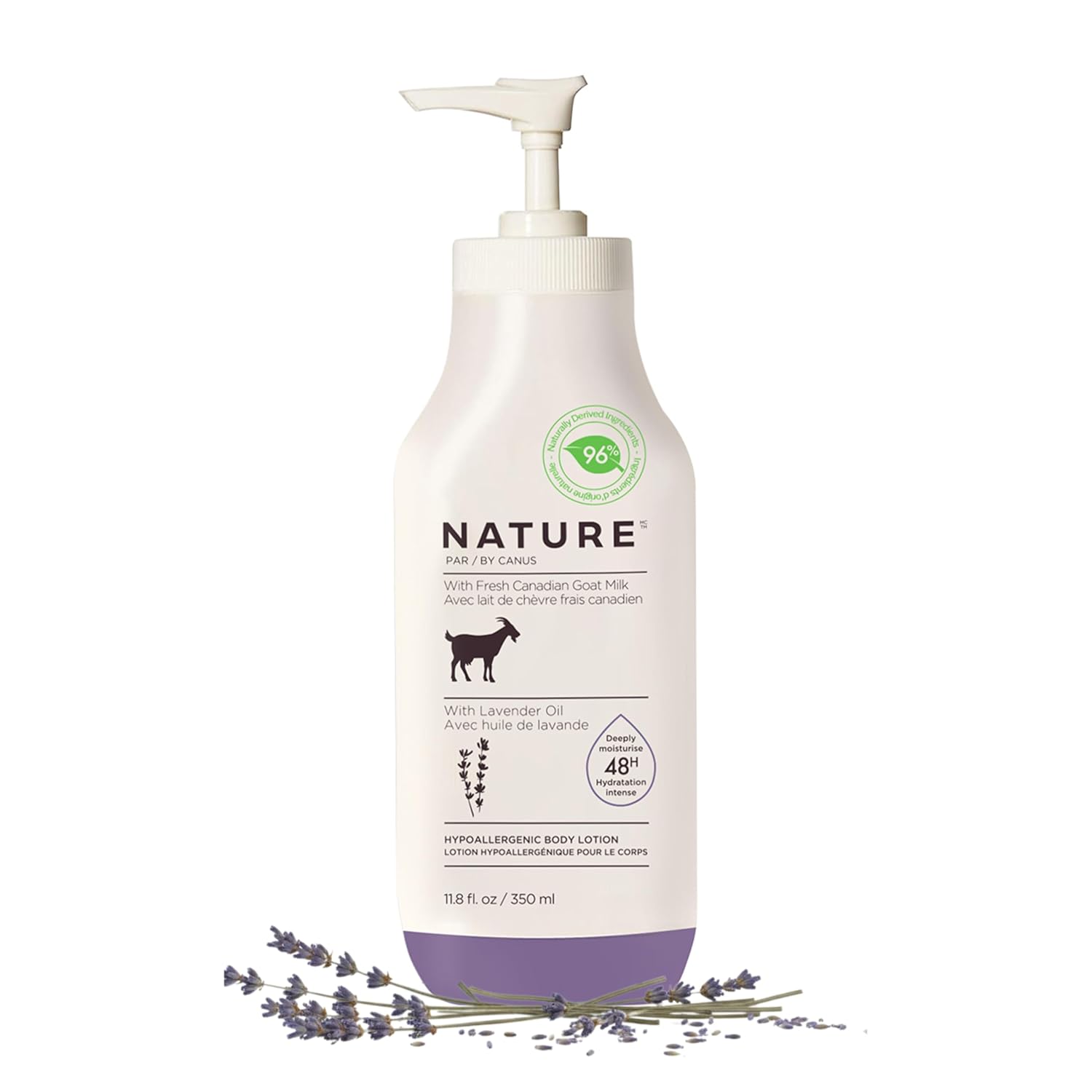
Applied slowly after your shower it becomes the sensory comma between your evening and your sleep.
The night that restores you is not the one where you finally fell asleep from exhaustion. It is the one where something shifted — where the room felt different, the air smelled like somewhere safe, and your body remembered how to rest. These bedtime routine ideas are not a list to complete. They are a direction to move in, softly, one evening at a time.
These bedtime routine ideas are not a list to complete from top to bottom starting tonight. They are a direction — a softer, slower, more sensory way of moving through your evenings that compounds quietly over time into something that genuinely changes how you feel. Not just how you sleep, but how you wake up. How you carry the day. How much of yourself you have left by the time evening comes around again. The nights you give yourself matter. They always have. They just rarely get treated like it.
Start tonight. Not perfectly. Just softly.