You know exactly how you want your home to feel.
Calm. Cosy. Bold. Collected. Effortlessly put together in a way that looks like you didn’t try too hard but absolutely did.
The problem is you’ve been saving inspiration images for months and they all look completely different from each other. A bit of this, a bit of that, nothing quite cohesive enough to actually commit to.
That’s not indecision. That’s just not having the right vocabulary yet.
Once you can name what you’re drawn to — once you understand the logic behind each interior decorating style — everything clicks into place. The shopping gets easier. The decisions get faster. The room starts to look intentional instead of assembled.
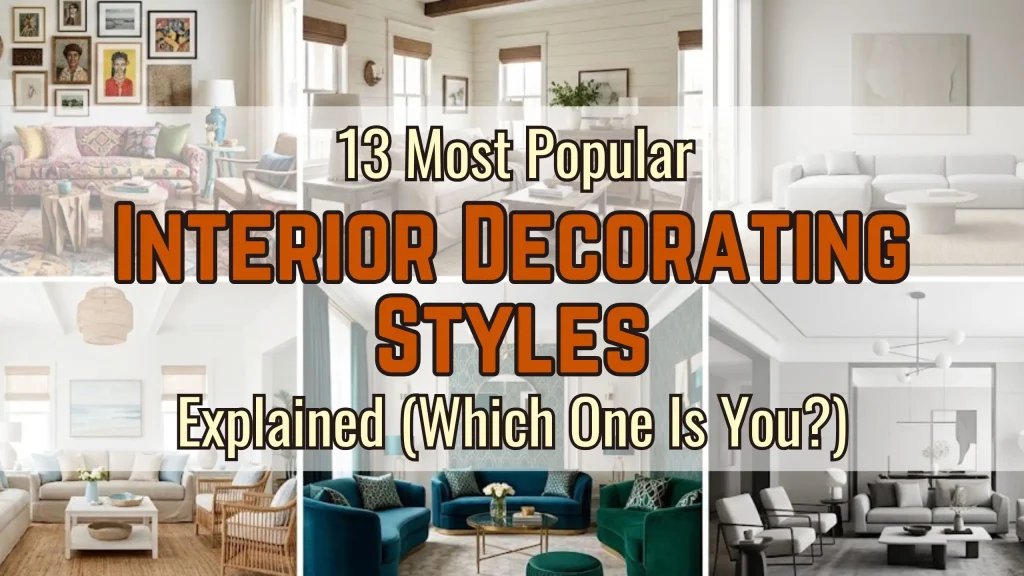
These 13 popular interior design styles will help you figure out exactly where you belong.
13 Interior Decorating Styles — Find the One That Feels Like Home
Every interior design aesthetic has its own rules, its own palette, its own personality.
Some of these will feel immediately familiar. Some will surprise you. Some will make you realise the style you thought you loved is actually something completely different — and that’s a good thing.
Read through all 13. Your style is in here somewhere.
1. Modern Interior Design
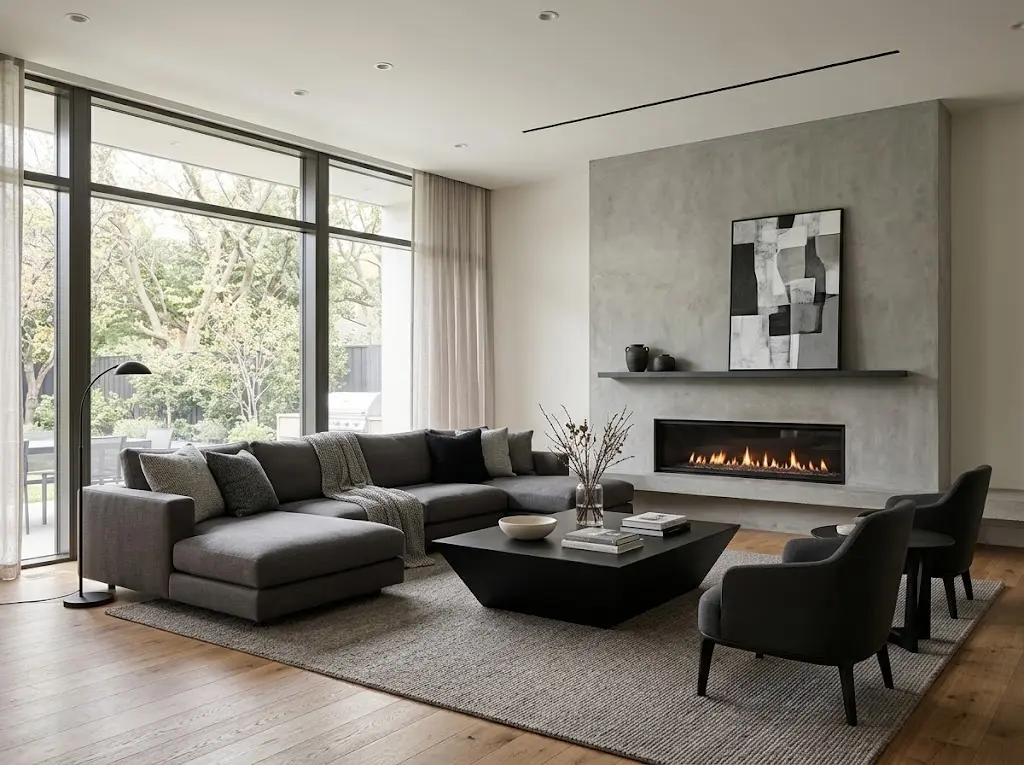
Modern interior design is clean, uncluttered, and quietly confident.
It’s defined by straight lines, neutral tones, and a strict commitment to function over decoration. Nothing is there by accident. Every piece earns its place. The palette is typically white, grey, black, and warm wood — with the occasional single material used in a bold way.
Modern doesn’t mean cold. It means considered.
Key features:
- Clean straight lines with no ornate detailing.
- Neutral colour palette with occasional bold accents.
- Open floor plans with plenty of breathing room.
- Materials like concrete, steel, glass and natural wood.
- Furniture that is low-profile and geometric in shape.
This style suits people who find peace in order and feel most at home when there’s nothing unnecessary in the room.
2. Minimalist Interior Design
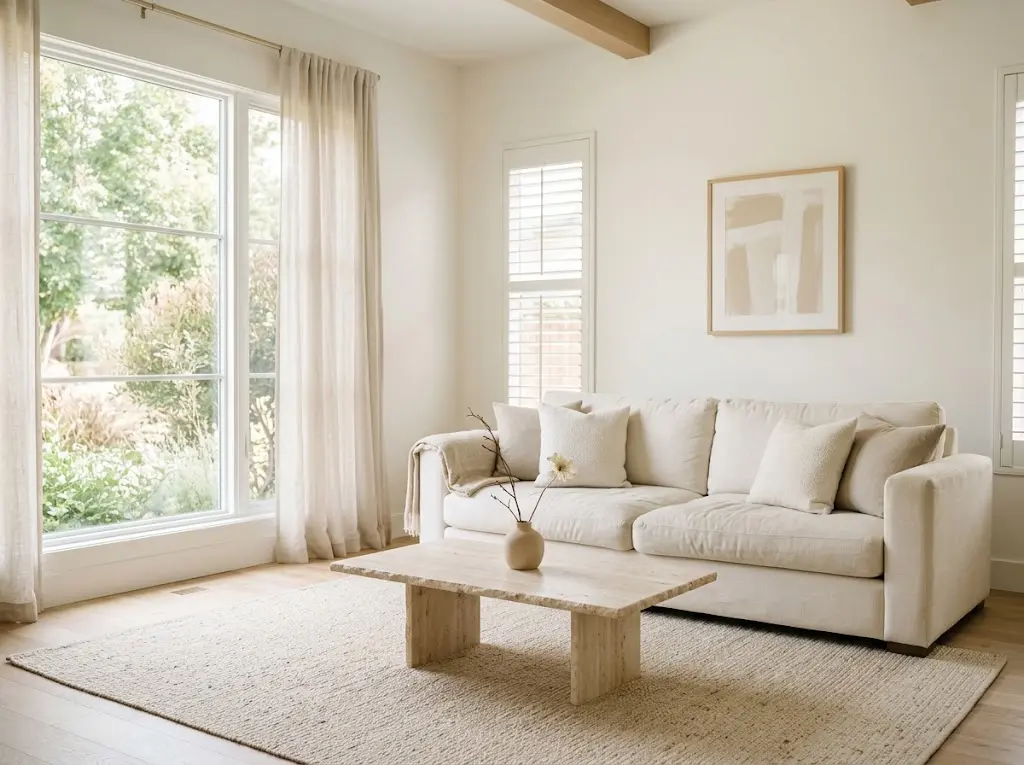
Minimalism takes modern one step further.
Where modern allows for some decorative elements, minimalism strips everything back to only what is essential. The philosophy is that the space itself — the light, the proportion, the architecture — is the design. Everything else is a distraction.
The result is rooms that feel almost meditative. Intentionally quiet. Deeply calm.
Key features:
- Absolute commitment to only necessary objects
- A palette of two or three tones at most — often white, off-white and one warm neutral
- Furniture chosen for pure function with beautiful form
- No clutter of any kind on any surface
- Natural light treated as a design element in itself
This style suits people who feel genuinely calmer in empty spaces and find clutter physically stressful.
3. Scandinavian Interior Design
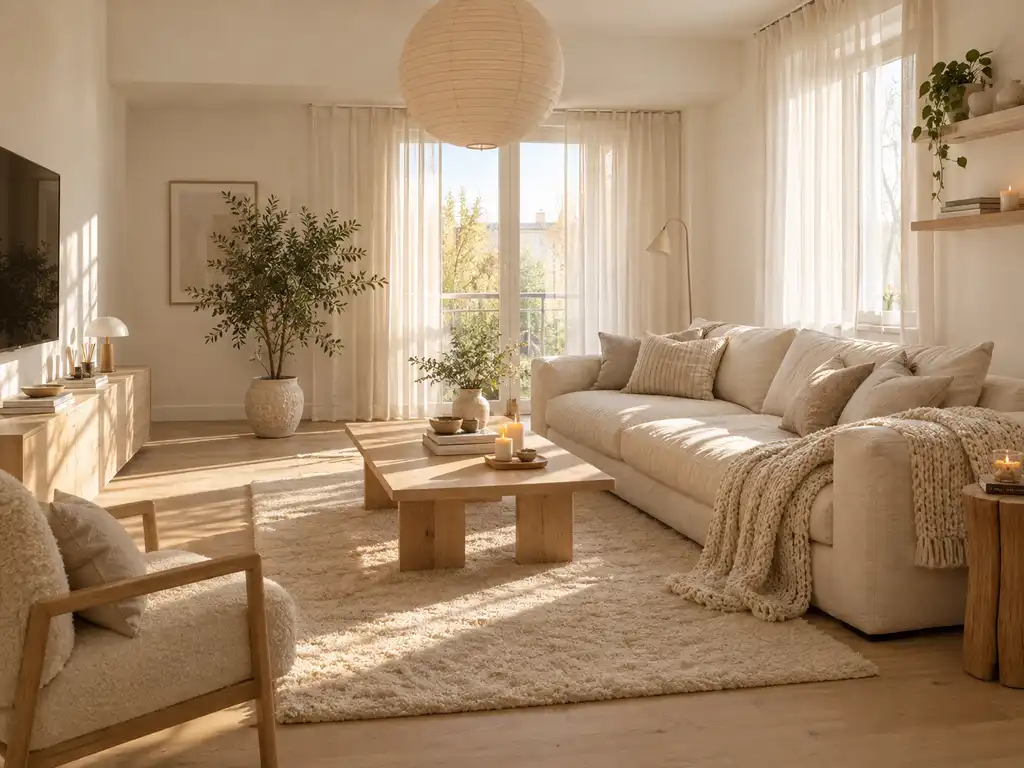
Scandinavian interior design — often called Scandi — is minimalism with warmth and soul added back in.
It takes the clean lines and neutral palette of minimalism but layers in cosy textures, natural materials, and a genuine sense of lived-in comfort. The Danish concept of hygge — a feeling of warmth, togetherness and contentment — is at the heart of this aesthetic.
The result is a home that looks clean and effortless but feels genuinely warm and welcoming.
Key features:
- White walls and light wood floors as the foundation
- Textures like chunky knit throws, sheepskin rugs and linen cushions
- Simple functional furniture in pale wood
- Candles everywhere — always
- A palette of white, oatmeal, soft grey and natural wood tones
This style suits people who want their home to feel both beautiful and genuinely comfortable to live in every single day.
4. Bohemian Interior Design
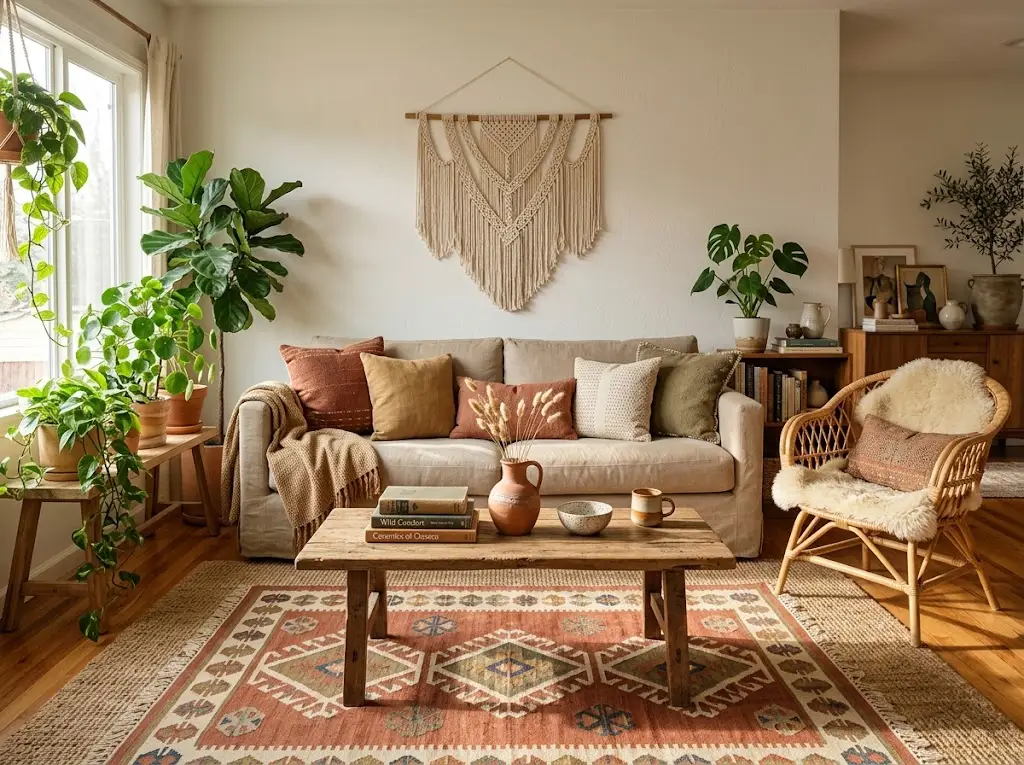
Bohemian — or boho — interior design is the style that plays by no rules and looks incredible for it.
It’s layered, eclectic, and completely personal. It mixes patterns, cultures, textures and eras without apology. A Moroccan rug beside a rattan chair beside a macramé wall hanging beside a collection of vintage books — and somehow it all works together because it all belongs to the person who lives there.
Boho is the only interior design aesthetic that actively gets better the more lived-in it becomes.
Key features:
- Rich jewel tones mixed with earthy naturals
- Layered textiles — rugs on rugs, cushions on cushions
- Plants. Lots of plants.
- Global and vintage finds mixed freely
- Macramé, rattan, wicker and natural woven textures throughout
This style suits people who collect things that mean something, hate matchy-matchy interiors, and want their home to tell their story.
5. Japandi Interior Design
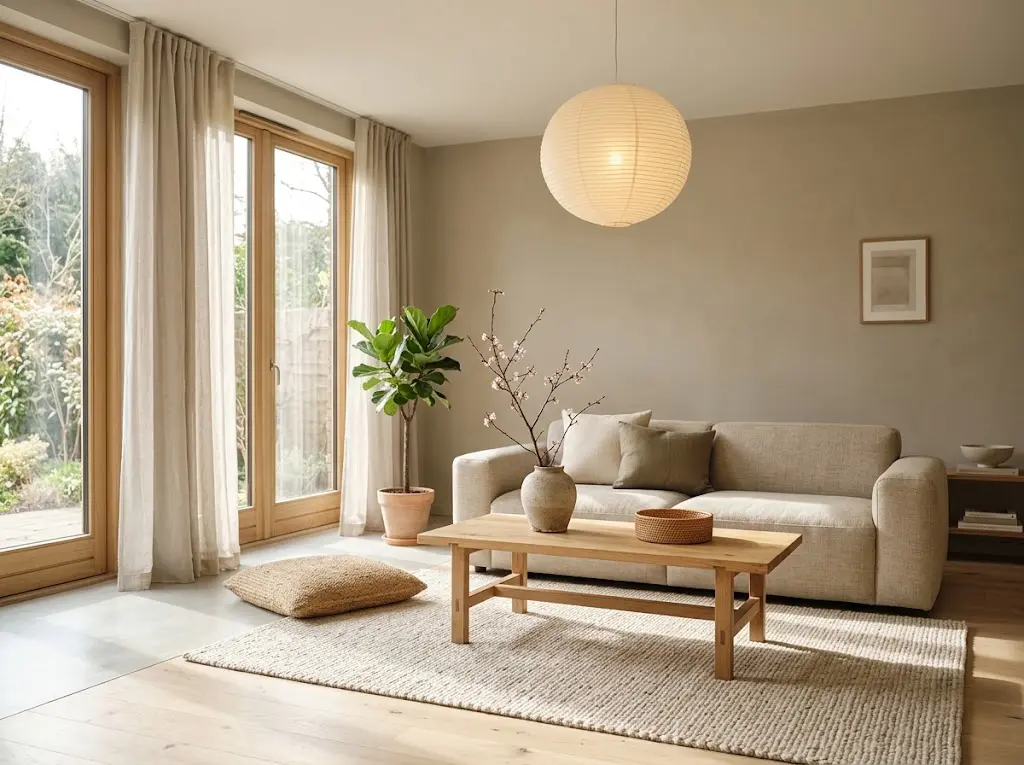
Japandi is the interior design style that emerged from combining Japanese and Scandinavian aesthetics — and the result is one of the most quietly beautiful styles in popular interior design right now.
It takes the warmth and functionality of Scandi design and pairs it with the philosophy and craftsmanship of Japanese wabi-sabi — the acceptance of imperfection and the beauty of the natural world. The result is a home that feels deeply intentional, deeply calm, and deeply human.
Key features:
- A palette of warm grey, charcoal, warm white and muted earthy tones
- Natural materials — bamboo, stone, linen, clay
- Furniture with simple clean lines and visible craftsmanship
- Negative space used deliberately — empty areas are not mistakes
- Handmade and artisan objects chosen with great care
This style suits people who are drawn to both minimalism and warmth and want a home that feels almost philosophical in its calm.
6. Industrial Interior Design
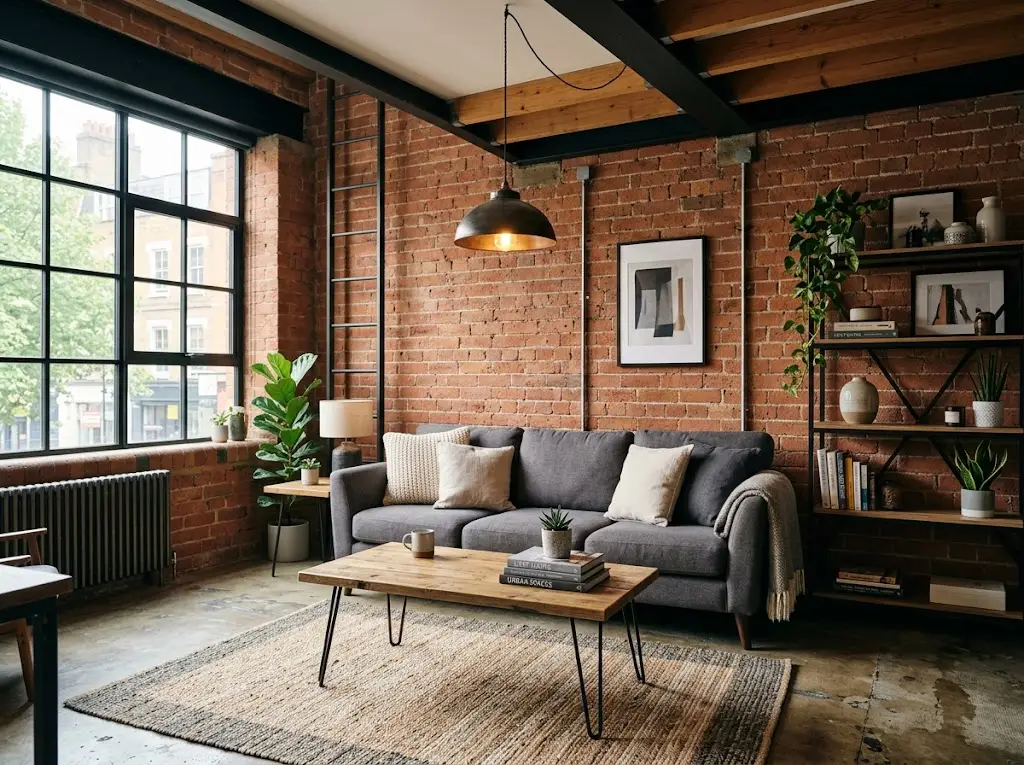
Industrial interior design takes its inspiration from converted warehouses and factory spaces — raw, unfinished, and completely unapologetic about it.
Exposed brick, steel beams, concrete floors and Edison bulbs are the hallmarks of this style. It keeps things that other design styles would hide — the pipes, the beams, the raw walls — and makes them the feature. It’s one of the most distinctive types of interior design styles and one that’s almost impossible to do halfway.
Key features:
- Exposed brick, concrete and raw plaster walls
- Metal — steel, iron, copper — used throughout
- Dark muted tones — charcoal, rust, aged brown, black
- Edison bulb lighting and bare metal pendant lights
- Reclaimed wood paired with metal for furniture and shelving
This style suits people who love the beauty of raw materials, find polished interiors too precious, and want their home to feel like it has real history.
7. Mid-Century Modern Interior Design
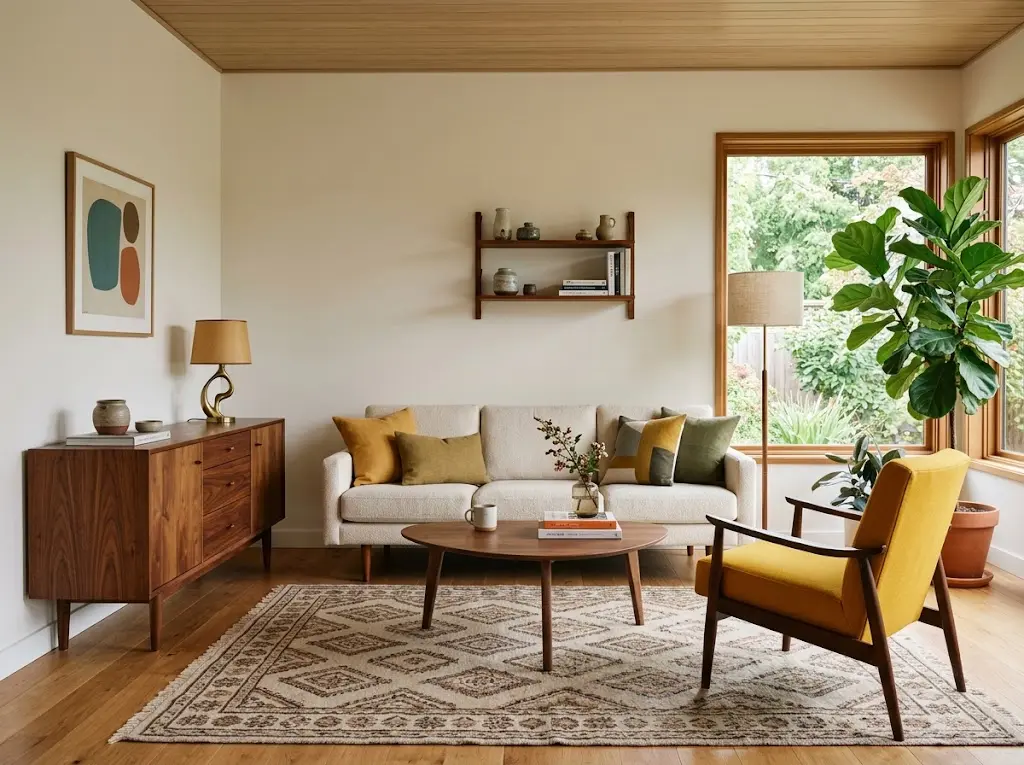
Mid-century modern is one of the most enduring and beloved popular interior design styles in the world — and for good reason.
Born in the 1940s to 1960s, it combines clean functional design with organic shapes and a sense of optimism about the future. The furniture is iconic — think Eames chairs, tulip tables, and walnut sideboards with tapered legs. The palette is warm and confident. The rooms feel both timeless and distinctly of a specific era.
Key features:
- Iconic furniture with organic curves and tapered legs
- A palette of warm walnut, mustard, burnt orange, olive and teal
- Large windows connecting interior space to nature
- Abstract art used as statement pieces
- A mix of natural and man-made materials — wood, fibreglass, wool, leather
This style suits people who love design history, appreciate craftsmanship, and want a home that feels both retro and completely relevant today.
8. Coastal Interior Design
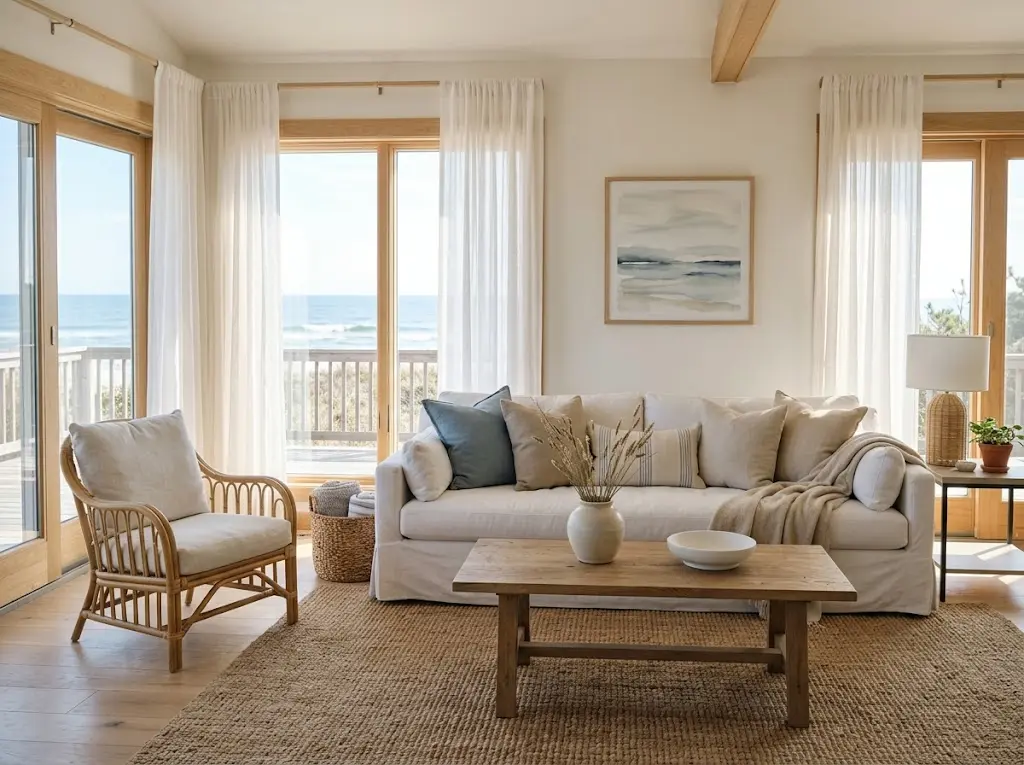
Coastal interior design brings the feeling of being near the ocean into any home — regardless of how far from the water you actually are.
It’s light, airy, relaxed and effortlessly calm. It doesn’t rely on seashells and anchors the way older beach house decor did — modern coastal interior design is much more sophisticated, built on a palette of blue, white and natural textures that create a genuine sense of open air and ease.
Key features:
- A palette of white, soft blue, sandy beige and warm natural tones
- Natural textures — linen, jute, rattan, driftwood
- Plenty of natural light with light window treatments
- Organic shapes in furniture and accessories
- A relaxed unforced quality — nothing too polished or precious
This style suits people who feel most themselves near water and want their home to feel like a permanent exhale.
9. Farmhouse Interior Design
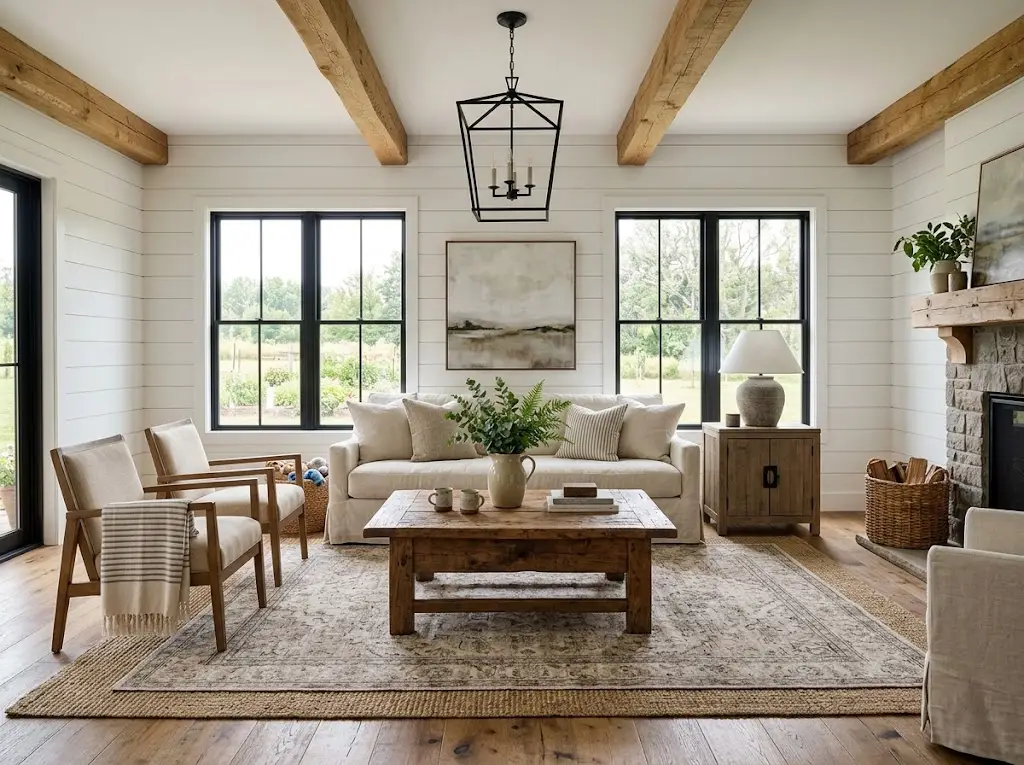
Farmhouse interior design takes the warmth and simplicity of rural living and makes it feel both nostalgic and deeply current.
Modern farmhouse — popularised widely in recent years — balances rustic charm with clean lines. It’s warm without being fussy, traditional without being old-fashioned. Shiplap walls, apron sinks, open shelving and galvanised metal accents are the signature elements that make this one of the most recognisable home decorating styles around.
Key features:
- White and warm neutral palette throughout
- Shiplap, beadboard and exposed wood beam details
- Vintage and antique pieces mixed with clean modern shapes
- Galvanised metal, mason jars, and natural linen as accents
- An overall feeling of warmth, welcome and simplicity
This style suits people who want their home to feel like a refuge — genuinely warm, completely unpretentious, and full of the kind of comfort that makes guests never want to leave.
10. Maximalist Interior Design
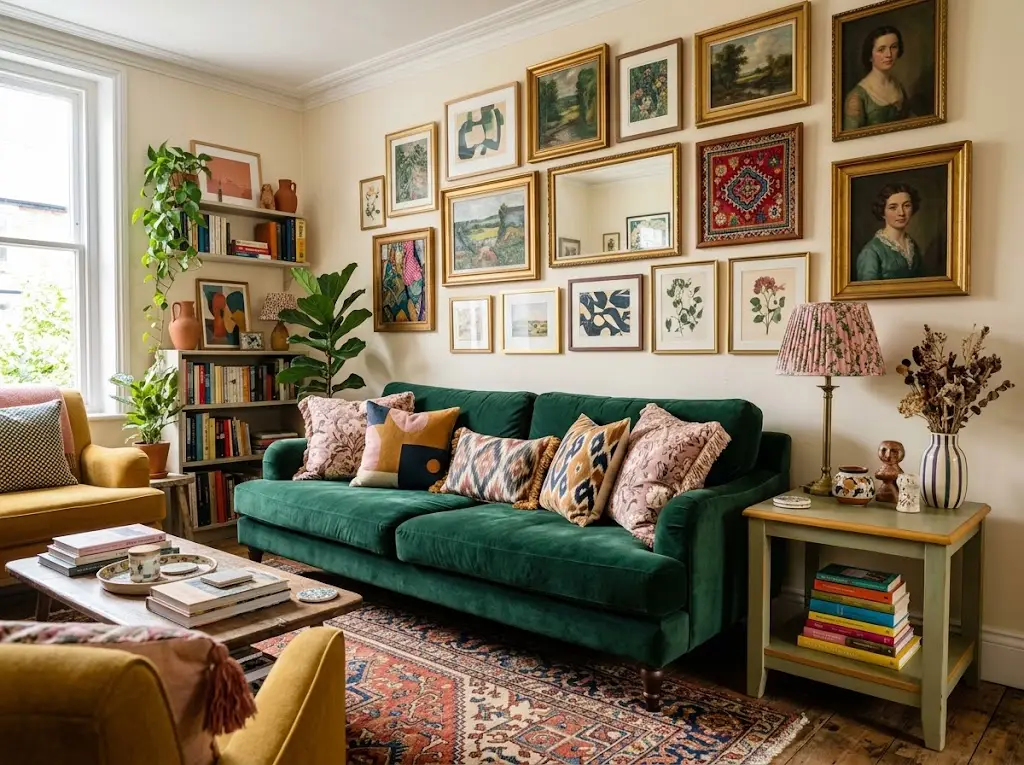
Maximalism is the bold, joyful, unapologetic opposite of minimalism — and it is having a very well-deserved moment in interior designing right now.
More is more. Colour is celebrated. Pattern mixing is encouraged. Collections are displayed proudly. Every surface tells a story and every room is a full sensory experience. Maximalism isn’t mess — it’s curation taken to its most expressive extreme.
Key features:
- Rich saturated colour used fearlessly — on walls, furniture, accessories
- Pattern mixing — florals with stripes, geometric with organic
- Collections displayed as art — books, ceramics, objects, art
- Layered lighting — floor lamps, table lamps, pendant lights all at once
- Every room feels full, considered and deeply personal
This style suits people who find minimalism cold, love colour and pattern passionately, and believe a home should reflect every single thing about the person who lives in it.
11. Art Deco Interior Design
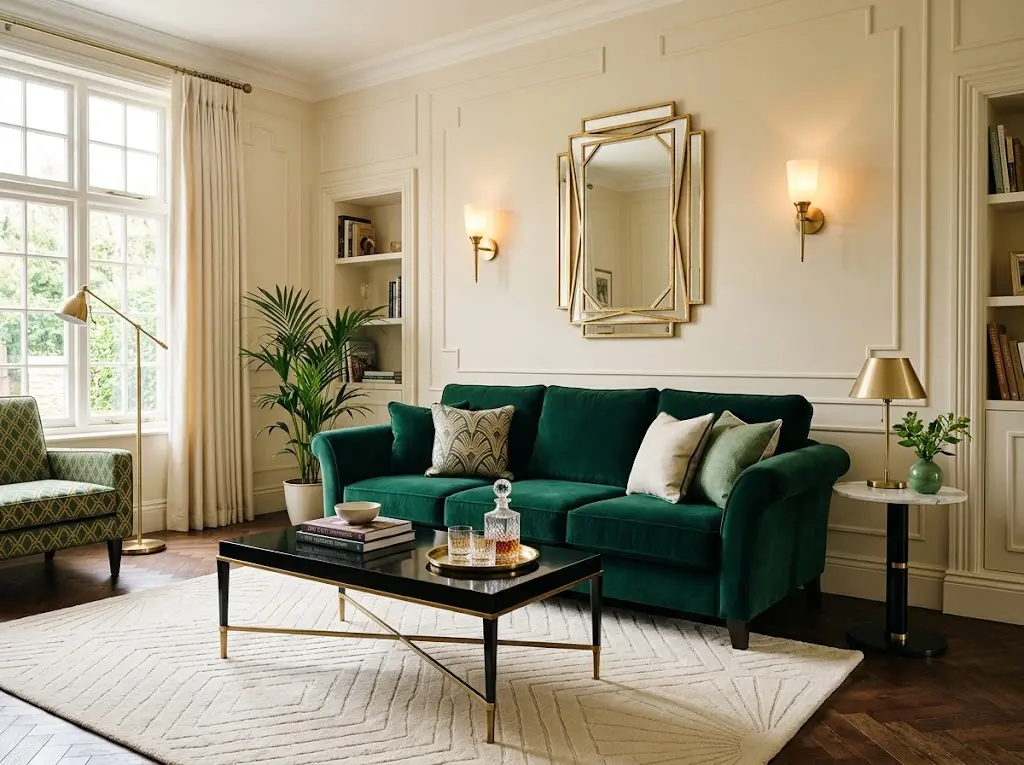
Art Deco is glamour, geometry, and luxury — all at once.
Emerging in the 1920s and 1930s, this interior design aesthetic is built on bold geometric patterns, rich jewel tones and luxurious materials. Gold, black, deep emerald, sapphire blue and rich velvet are the signatures of this style. It’s one of the most theatrical types of interior decor — dramatic, deliberate, and completely stunning when done well.
Key features:
- Bold geometric patterns — chevron, sunburst, fan shapes
- A palette of black, gold, deep jewel tones and rich cream
- Luxurious materials — velvet, lacquer, marble, brass and gold leaf
- Statement lighting — sculptural chandeliers and wall sconces
- Symmetry used deliberately throughout the space
This style suits people who want their home to feel like an event — somewhere that makes a statement the moment you walk through the door.
12. Traditional Interior Design
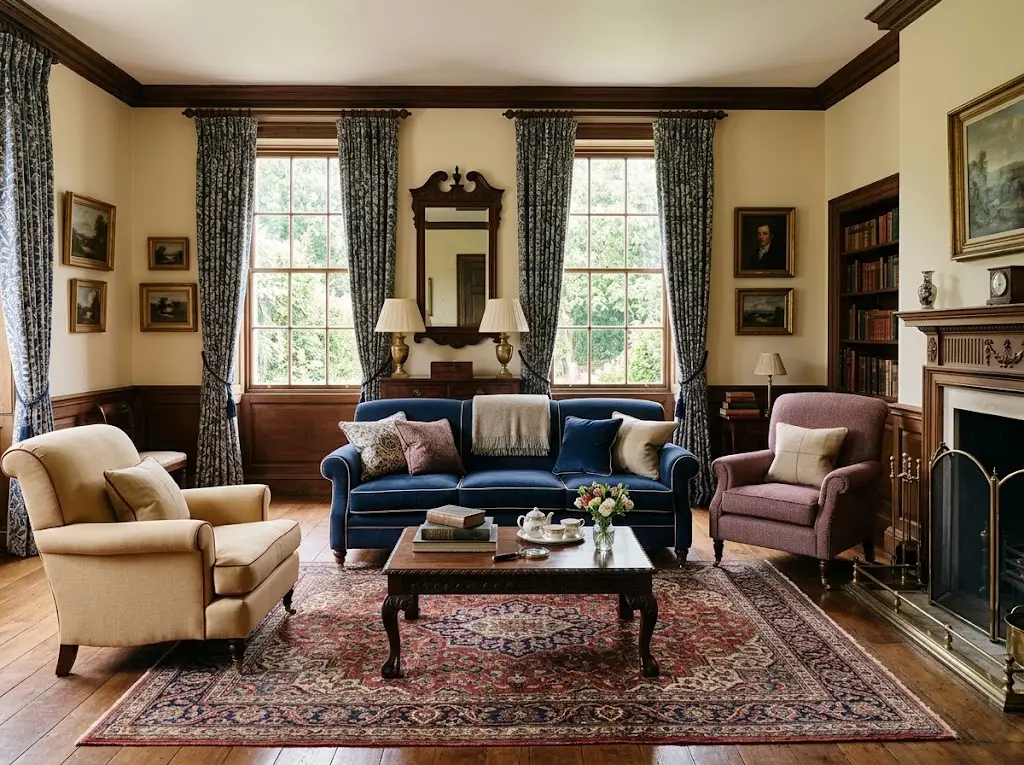
Traditional interior design draws from European — particularly English and French — design history to create spaces that feel timeless, formal and deeply refined.
It’s not old-fashioned. It’s classical. The furniture is crafted and ornate, the fabrics are rich and layered, and the colour palette is warm and considered. A traditional interior feels like it has been assembled over generations — nothing trendy, nothing disposable, everything chosen to last.
Key features:
- Rich warm colours — burgundy, forest green, navy, warm gold
- Ornate furniture with carved detailing and cabriole legs
- Layered window treatments — curtains with pelmets, shutters with drapes
- Antiques and heirlooms mixed with quality reproductions
- Symmetrical arrangements and formal room layouts
This style suits people who value craftsmanship and permanence, find modern spaces too stark, and want a home that feels genuinely grown-up and considered.
13. Eclectic Interior Design
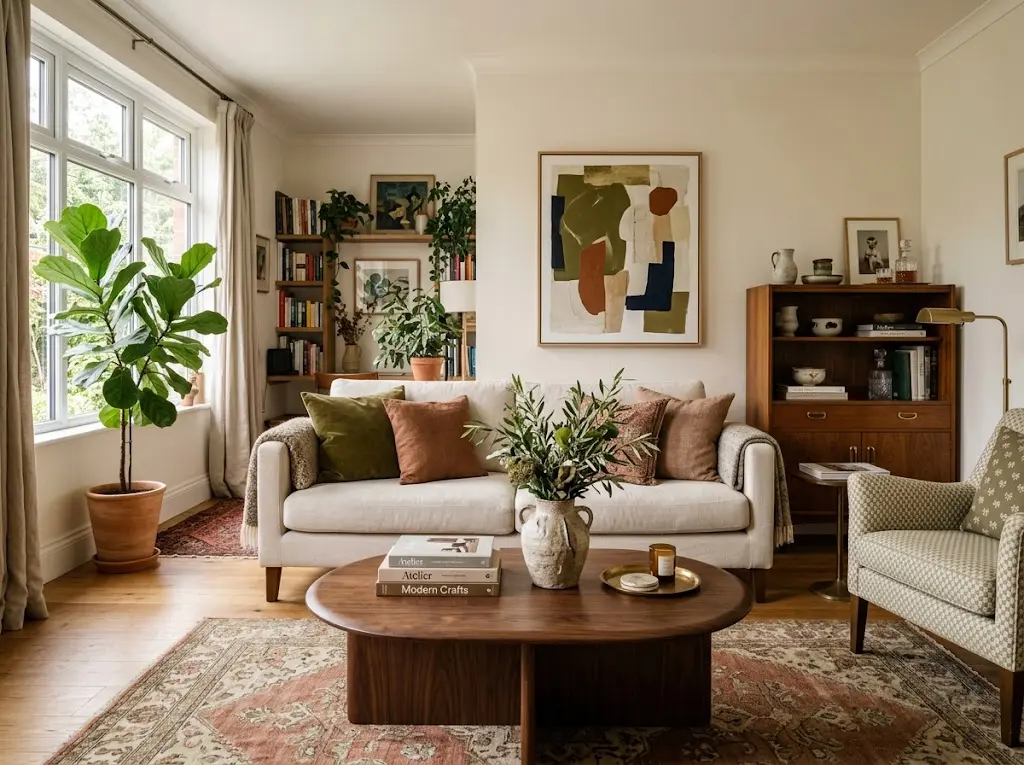
Eclectic interior design is the style that borrows freely from every other style on this list — and makes it work through a strong sense of personal vision.
It’s the most personal of all the interior design styles because it has no fixed rules. It’s defined entirely by the individual who creates it. The key difference between eclectic and simply chaotic is intention — every piece is chosen deliberately, every combination considered carefully, and the result feels cohesive even though nothing matches in the traditional sense.
Key features:
- A mix of periods, styles, cultures and eras in one space
- A unifying element — a colour, a material, a mood — that ties everything together
- Statement pieces that would look out of place anywhere else but are perfect here
- An equal balance of contrasting elements — rough and smooth, old and new, light and dark
- Confidence. The whole style falls apart without it.
This style suits people who refuse to be defined by one aesthetic, have genuinely varied taste, and trust their own eye more than any design rule.
Your style isn’t a box. It’s a starting point.
Most people who discover their interior design aesthetic don’t follow it rigidly — they use it as a foundation and build from there. A Scandi base with boho layers. A modern structure with mid-century furniture. A traditional framework with maximalist accessories.
The goal was never to make your home look like a Pinterest board. It was to make it feel like you.
Now you know the language. The rest is entirely yours.
FAQ
How do I know which interior design style suits my home?
Start with the architecture. A Victorian terrace naturally suits traditional or eclectic styles. A modern apartment suits minimalist or contemporary aesthetics. A converted barn suits industrial or farmhouse. Working with your home’s existing bones rather than against them makes the whole process easier and the result more cohesive.
Can I mix interior design styles?
Yes — and the best interiors almost always do. The important thing is to choose one dominant style that sets the overall tone and then layer in secondary influences with a considered hand. Mixing styles without a guiding principle is how rooms end up feeling unresolved.
What is the most popular interior design style right now?
Japandi, modern minimalism and maximalism are all having significant moments in popular interior design currently. Japandi in particular has grown enormously in the last few years as people seek homes that feel both calm and warm. That said, the most enduring styles — Scandi, mid-century modern and coastal — have remained consistently popular for decades for a reason.
Where do I start if I want to redecorate in a specific style?
Start with one room. Choose the style you feel most drawn to and begin with the largest elements first — wall colour, flooring if possible, and the largest piece of furniture. Get those right and the rest of the room will follow much more naturally than if you start with accessories and work backwards.